
Last updated November 4, 2026
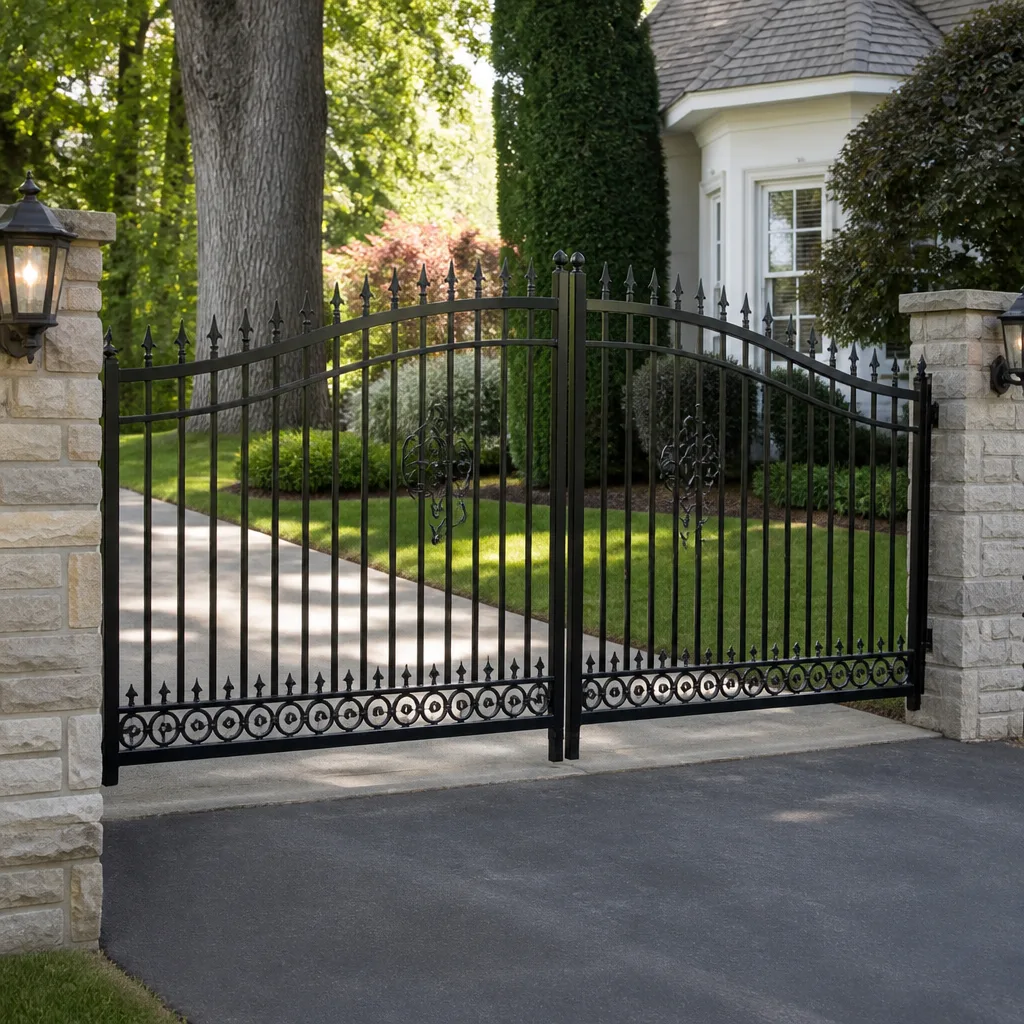 Wrought iron
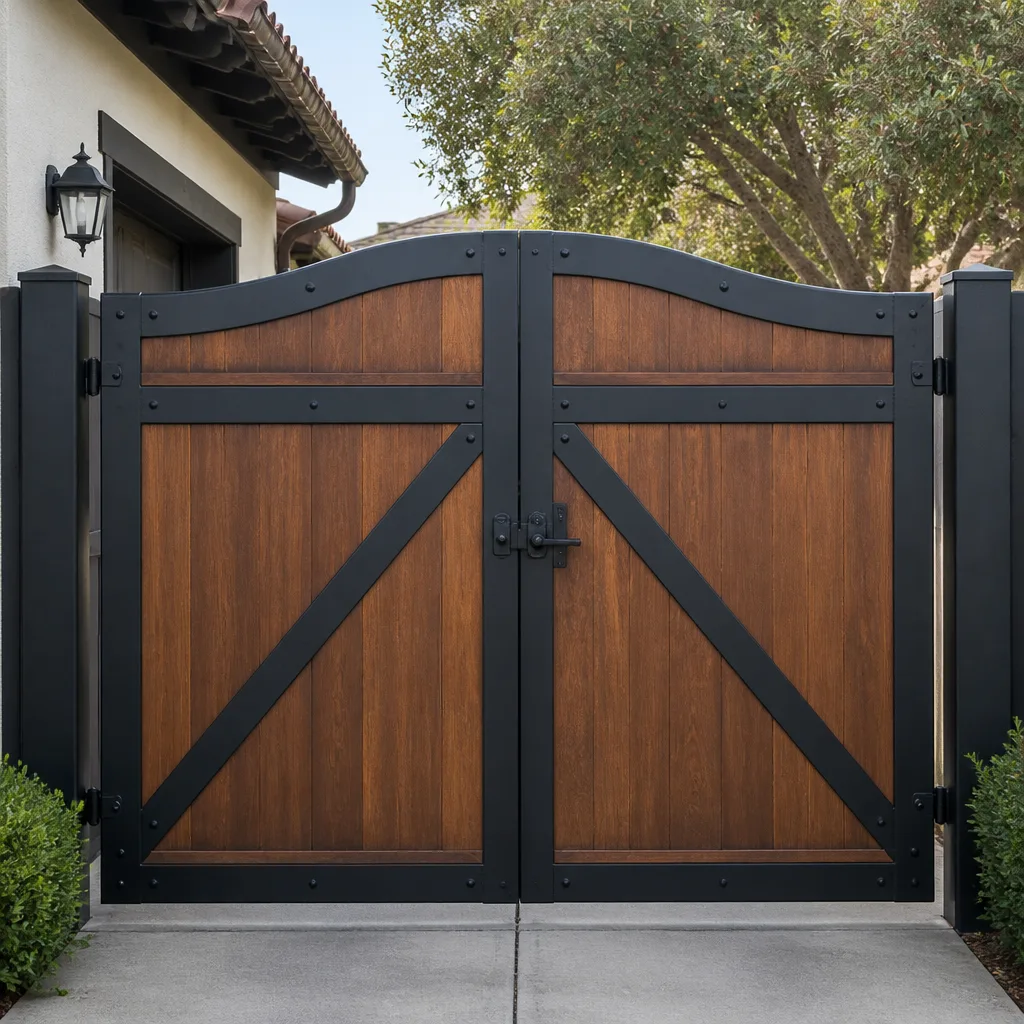 Wood & steel frame
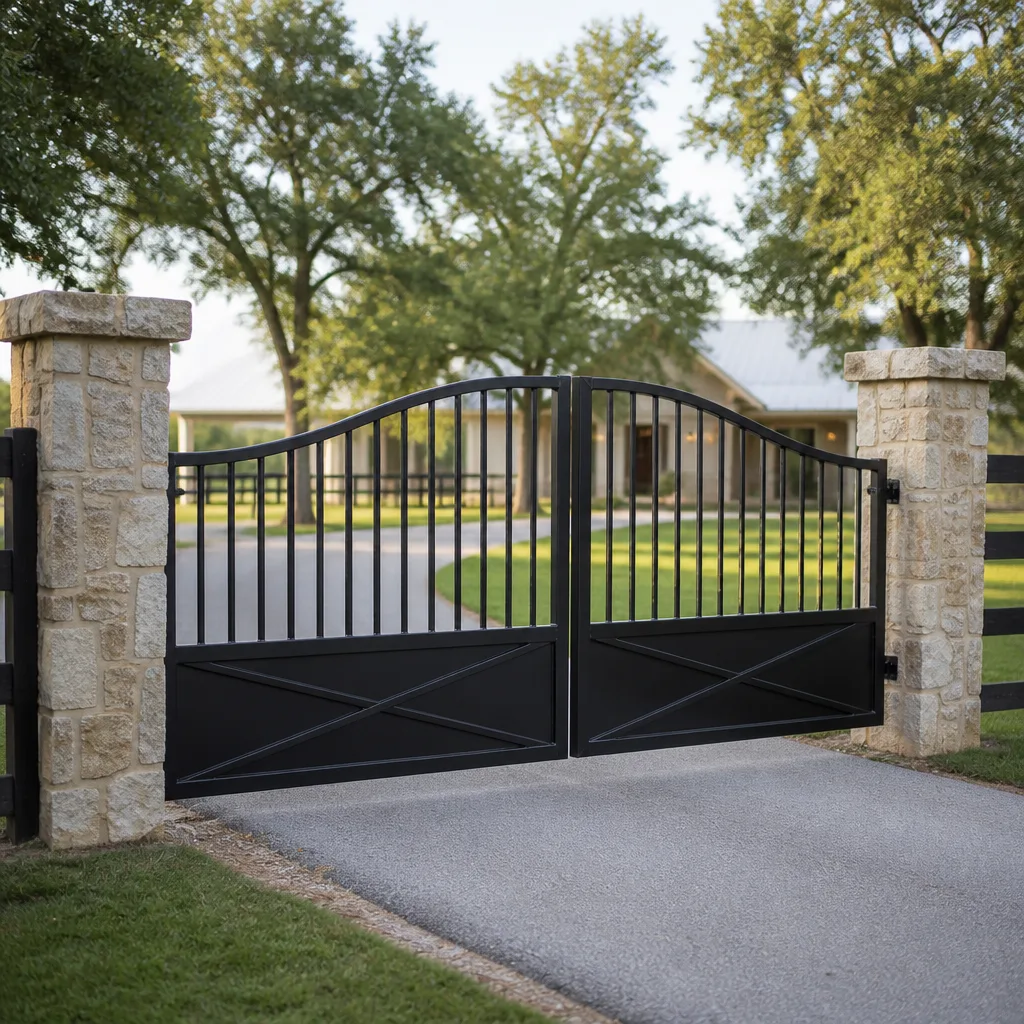 Farm & ranch
 Sliding driveway gates
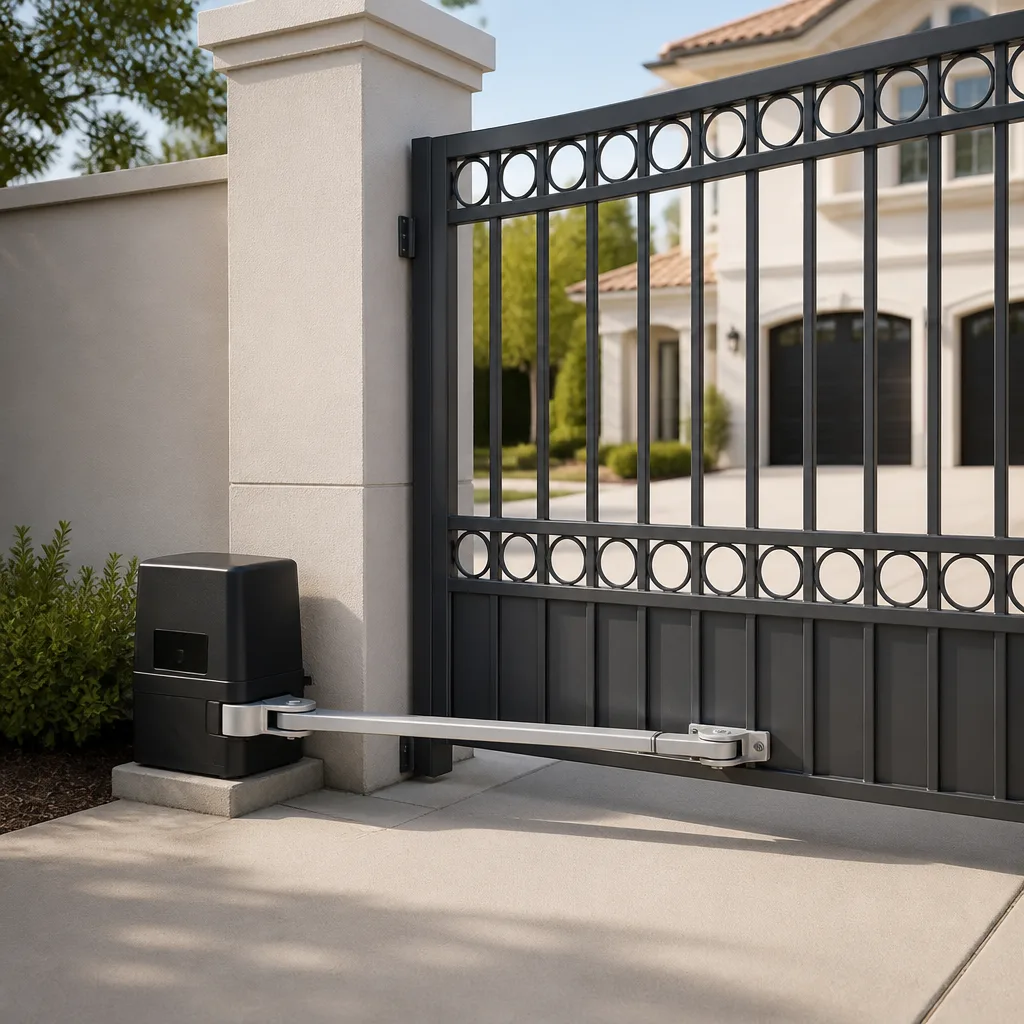 LiftMaster operators
Free on-site gate assessment - hinges, posts, and your LiftMaster or Nice gate operator checked before anything is quoted
The assessment is free and the quote is the invoice.
Get your free estimateSeasonal Gate Repair Care for Vista: Year-Round Homeowner’s Guide
Most seasonal maintenance guides treat every gate as if it lives in Vermont. They obsess over freeze-thaw cycles, snow load, and winterizing. Vista doesn’t have those problems. What we do have is a quieter, more persistent stress cycle that damages gates in ways most homeowners never connect to the calendar: a damp marine layer soaking hardware each spring morning, afternoon sun baking it dry, Santa Ana winds hammering swing gates through their full arc in the fall, and months of intense UV breaking down seals and vinyl components through the summer. This guide explains what Vista’s actual seasons do to your gate, what to check each month, and when to call a specialist before a small wear issue becomes a gate that won’t open at 7 a.m. on a workday.
Quick Answer
Seasonal gate care in Vista means tracking moisture-dry cycles in spring, UV exposure and heat in summer, Santa Ana wind stress in fall, and drainage around posts before winter rains. The most important checks are hinge and latch lubrication in May and June, seal inspection in August, wind-event walkthroughs in October, and post-base drainage clearing in December. Most homeowners can handle visual inspections and light lubrication, but operator calibration, hinge rebuilds, and post-leveling belong with a gate specialist.
Styles & brands we work with
- Wrought iron
- Wood & steel frame
- Farm & ranch
- Sliding driveway gates
- LiftMaster operators
Table of Contents
- Spring: The Marine Layer Moisture-Dry Cycle
- Summer: UV Degradation and Heat Stress on Automation
- Fall: Santa Ana Wind Events and Frame Stress
- Winter: Pre-Rain Drainage and Post Preparation
- A Month-by-Month Inspection Checklist for Vista
- Treating Metal Surfaces: Sequencing Marine Layer and Repainting
- The End-of-Year Gate Review Protocol
- Common Mistakes to Avoid
- When to Call a Professional
- Frequently Asked Questions
Spring: The Marine Layer Moisture-Dry Cycle
Vista’s spring is deceptively gentle. Temperatures stay mild, the hills stay green longer than you’d expect, and nobody worries about a gate freezing shut. But the marine layer that rolls in off the ocean most mornings creates a moisture-then-heat cycle that operates like a slow corrosion engine. A metal hinge or latch gets damp overnight, then bakes dry by mid-afternoon. Repeat that thirty or forty times across April, May, and June, and you get oxidation settling into moving parts, stiffened hinges, and latches that start to bind.
We’ve seen gates in Vista repainted during the marine layer season because someone noticed peeling paint and reacted too soon. The moisture-laden morning air prevents proper adhesion, and the paint fails within a season. What the marine layer season actually rewards is treatment, not repainting. A penetrating oil applied to hinge pins, latch mechanisms, and bolt heads in May does more for long-term gate health than any amount of paint touched up at the wrong time.
Here’s what we check on a spring service call:
- Hinge pins and pivot points for stiff movement or brown discoloration that signals early rust.
- Latch alignment, especially on swing gates that may have settled slightly over winter.
- Operator arm connections on automated gates, where oxidation can cause resistance the motor has to fight.
- Bottom seal contact on slide gates, where trapped moisture accelerates wear on the track.
For a homeowner, spring is the season to watch the gate’s movement closely. If a swing gate that moved smoothly in March starts hesitating or groaning by June, don’t keep using it and hoping the noise goes away. That resistance is the moisture-dry cycle working on your hardware, and the fix is lubrication and adjustment, not replacement. Most spring gate repair calls in Vista involve exactly this: small mechanical issues caught before they stress the operator.
Summer: UV Degradation and Heat Stress on Automation
Summer in Vista is a stress test for everything polymer on your gate. The inland sun is relentless from late morning through late afternoon, and temperatures routinely climb into the 90s. Vinyl gate components, rubber seals, wire insulation, and plastic housings on operators all degrade measurably faster under sustained UV exposure. The damage is rarely dramatic. It shows up as hairline cracks in vinyl panels, seals that lose their flexibility and start flaking, and wiring insulation that gets brittle inside the operator arm or at connection points.
The heat itself creates a second problem. An operator mounted in direct sun on a black metal surface can run hot enough to trigger thermal protection shutoffs, especially on older units. The gate stops responding mid-cycle, then works again twenty minutes later after the board cools. Homeowners often misread this as an electrical fault when it’s actually a heat management issue.
Specific summer checks for Vista:
- Inspect every rubber seal and weather strip. Press a fingernail into the seal. It should dent and spring back. If it crumbles, flakes, or stays dented, UV has compromised the material and it won’t keep moisture out the way it should.
- Examine vinyl gate panels and post caps for fade lines or micro-cracks. Cracks usually start at screw holes or along top edges where sun hits at the most direct angle.
- Check the operator housing for warping or discoloration. A plastic cover that’s gone chalky or brittle is one heat cycle from cracking open.
- Listen for a change in motor sound during the hottest part of the day. A motor that labors noticeably at 3 p.m. but sounds fine at 8 a.m. is telling you it’s running hot.
When seals fail, the next rain event pushes water into places it shouldn’t go, and the repair bill expands. We’d rather replace a $20 seal in August than a soaked operator board in January. On brands like LiftMaster and FAAC, the operator internals are well-sealed, but no seal is rated for indefinite high-UV exposure. A visual check each August catches most failures before they cascade.
Fall: Santa Ana Wind Events and Frame Stress
Santa Ana conditions are the most mechanical stress a Vista gate sees all year. The air goes dry, humidity drops into the single digits, and wind gusts arrive from the east and northeast with enough force to push a large swing gate through its full travel arc repeatedly. A gate that weighs 400 or 600 pounds becomes a sail. Every gust loads the hinge posts, the hinge welds, the latch, and the operator’s gear train.
The damage pattern is consistent. Hinge welds develop hairline cracks. Latch strike plates shift slightly, enough that the gate no longer closes cleanly. Operator arms take repeated shock loads. On slide gates, the roller assembly at the top takes side loading it wasn’t designed for. None of this fails immediately on the first gust. It accumulates across two or three wind events, then something finally lets go.
In the week after a Santa Ana event, do this walkthrough:
- Stand at the hinge side and have someone open and close the gate. Watch for any vertical movement at the hinge barrel, which signals a worn pin or cracked weld.
- Close the latch slowly and watch engagement. If the strike plate shows fresh scratches or the latch no longer sits centered, the frame has shifted.
- Run the gate through a full cycle with the operator and listen for any new clicking, grinding, or hesitation. A gear that’s taken shock load sounds different.
- Check the track on a slide gate for debris, small stones, or bent roller brackets. High winds push loose material into places that then chew up rollers.
- Look at post bases for new soil cracks around the concrete footing. A rocking post is a post working loose.
Most wind damage repairable in one visit started as a small alignment shift or a loose bolt. Catching it right after the wind event is the difference between a quick adjustment and a full hinge rebuild. If the gate moves differently than it did before the wind, that’s the signal to book a diagnostic visit.
Winter: Pre-Rain Drainage and Post Preparation
Vista’s winter rains are usually spread out across a few real storm systems rather than a constant drizzle. When the rain does come, it comes fast, and the ground around gate posts gets saturated quickly. The failure mode we see most in winter is post movement caused by poor drainage: water pools at the base of a post, works its way alongside the footing, and softens the surrounding soil. The post starts to lean slightly, and a leaning post transfers load to the hinge and the latch that neither was designed to carry.
Before the first significant rain, check the grade around every gate post. The soil should slope away from the post in all directions. If you see a shallow depression that collects water, fill it with compacted soil so water runs off. On a slide gate, check that the track drains properly and that no low spots hold standing water. A track that holds water rusts faster and collects grit that grinds the rollers.
The other winter check is the gate’s ability to keep water out of the operator. Weather seals that got through summer intact are your first line of defense. But also look at how the operator is mounted. If water runs down the arm and into the housing because the arm enters at an upward angle, that’s a design flaw worth correcting before January rains find it. Winter is also the season when we see battery backups get tested by actual power outages, not planned drills. If your gate has a battery backup, run a test cycle in December so you know it holds a charge going into storm season.
A Month-by-Month Inspection Checklist for Vista
Here’s a month-by-month framework built for Vista’s climate, not a generic template. Each month focuses on the specific stress active at that time of year.
- January: Inspect post bases and drainage after each rain. Look for standing water, soil cracks, or small leaning movements.
- February: Check latch alignment and strike plate wear. Rain-soaked soil shifts posts slightly, and latches bind as a result.
- March: Test the operator’s force settings and cycle the gate several times. Confirm it stops and reverses properly on obstruction.
- April: Begin spring lubrication on hinge pins and pivot points. The marine layer season is starting, and hardware needs protection before moisture cycles ramp up.
- May: Deep-lubricate every moving part, including operator arms and slide gate rollers. This is the best month for surface treatment of bare metal.
- June: Look for early oxidation on bolts, hinges, and weld points. Treat any brown spots immediately before summer heat accelerates the corrosion reaction.
- July: Inspect vinyl components for UV micro-cracks, especially around screw holes and top edges. Check all rubber seals.
- August: Replace any UV-damaged seals and weather stripping. Confirm the operator housing isn’t warping or chalky from heat exposure.
- September: Tighten every accessible bolt and hinge pin. Santa Ana season starts building, and loose hardware takes shock load badly.
- October: Do a full wind-event walkthrough after the first Santa Ana episode: hinge welds, latch engagement, operator noise, track condition, post bases.
- November: Re-check post bases and hardware after subsequent wind events. Tighten anything that loosened since September.
- December: Complete the end-of-year review, test battery backup, and clear debris from slide gate tracks so rain moves through cleanly.
This list is not a service plan. It’s what we tell homeowners to do between professional inspections. Most of it takes ten minutes a month. What it buys you is early warning: every major gate failure we see in Vista was preceded by weeks of smaller, catchable signals.
Treating Metal Surfaces: Sequencing Marine Layer and Repainting
The marine layer season in Vista runs roughly from late March through June, with the heaviest morning overcast concentrated in May and June. This is exactly the right time to treat bare or oxidized metal, and exactly the wrong time to repaint.
Treating metal means applying a rust inhibitor or penetrating oil to hardware, hinges, bolt heads, and any bare steel or iron surface. The moisture in the air doesn’t interfere with oil-based treatment the way it does with paint. In fact, the mild humidity helps the treatment spread and penetrate. By treating hardware in May and June, you build up a protective layer before the dry, hot months accelerate oxidation.
Repainting is a different process. Paint needs a dry surface and stable humidity to cure properly. Apply paint to a damp metal gate on a May morning in Vista and you get bubbling, poor adhesion, and a finish that fails within a year. If a metal gate needs repainting, sequence it for late summer or early fall, after the marine layer has burned off but before the first real rain. September and October are the sweet spot: warm enough for proper curing, dry enough for adhesion.
The correct sequence for a metal gate that needs both treatment and repainting:
- May or June: Treat all bare metal and hardware with oil-based rust inhibitor. Don’t paint anything.
- July and August: Let the summer heat bake the treatment in. Inspect vinyl and rubber components during these months instead.
- September or October: Repaint after confirming the surface is dry and clean. Reserve a clear, warm day for the work.
Doing it this way extends the paint job’s life by years compared to a marine-layer repaint. The same principle applies to gate hardware finishes: a powder-coated finish degrading under UV needs different care than a painted surface. Powder coat doesn’t usually peel; it chalks and thins. Once the base metal starts showing through, the surface is past touch-up and needs refinishing, which is a job for a specialist who can disassemble the gate enough to work cleanly.
The End-of-Year Gate Review Protocol
A structured year-end review is the highest-value hour a Vista homeowner can spend on gate maintenance. It’s not a repair session. It’s an assessment: walk the gate, document what changed over the year, and decide what needs professional attention before winter rains stress the weak points you find.
Here’s the protocol we recommend, in the order we’d do it:
- Run a full cycle test. Open and close the gate five times. Watch consistency of speed, listen for changes in motor pitch, and note any hesitation at specific points in the travel.
- Inspect every hinge and pivot point. Look for rust, wear, vertical movement, or missing fasteners. A hinge with play in it will get worse over winter.
- Check the latch and strike plate. Note whether engagement is still centered or has drifted. Photograph any unusual wear.
- Inspect all seals and weather stripping. You should have replaced damaged seals in August. If you didn’t, this is your last chance before rain.
- Clear and check the track on a slide gate. Remove debris, check for bent rollers, and verify the gate doesn’t rock side to side in its track.
- Assess post bases and drainage. Fill any depressions around posts with compacted soil. Confirm water will run away from the concrete footings.
- Test the battery backup. Disconnect power and run at least one full cycle on battery. If it dies halfway through, replace it now, not during an outage.
- Test the safety edges and photo sensors. Run the gate toward an object and confirm it stops and reverses. This is the one check that protects people and pets, not just the gate.
Write down anything that doesn’t pass. That list is what you take to a gate specialist, and honestly, it’s what we spend the first fifteen minutes of a service call doing anyway. A homeowner who brings us an accurate year-end list gets a faster diagnosis and a more precise estimate.
Common Mistakes to Avoid
- Lubricating the gate track on a slide gate. Tracks should stay dry. Grease or oil on the track picks up dust and grit, which then grinds the rollers. Lubricate the roller bearings, not the track surface.
- Repainting during the marine layer season. A repaint in May or June in Vista almost always fails early. Wait for late summer or early fall.
- Treating every noise with more lubricant. A grinding noise from the operator is a gear problem, not a dry hinge. Adding oil masks the symptom and lets the damage progress.
- Ignoring a slow gate. A gate that’s lost speed over a few months is telling you the operator is working harder than it should. The fix is usually adjustment, not a new operator, but only if you catch it early.
- Forgetting the battery backup until the power goes out. A December test is the difference between a working gate during a storm and a gate that’s dead when you need it most.
- Pressure-washing the gate and operator. High pressure forces water into bearing seals, operator housings, and electrical connections. Use low pressure, a hose, and a brush instead.
- Replacing one hinge and leaving the others. Hinges wear unevenly, but when one goes, the others are rarely far behind. A hinge set that’s partially replaced just shifts the load to the oldest component.
When to Call a Professional
Most of what we’ve covered is visual inspection a homeowner can do. But some situations genuinely require a gate specialist’s tools and training. Call if the gate has shifted enough that the latch no longer engages, which usually means a post or hinge problem rather than a simple adjustment. Call if the operator makes a metallic grinding sound, which is a gear train failing. Call if the gate moved during a Santa Ana event and hasn’t returned to smooth operation. And call if you find standing water around posts or track damage that suggests footing movement. None of these are DIY fixes, and waiting on them tends to multiply the repair cost.
Sterling Gate Repair offers free estimates in Vista. Call (855) 773-5055. We answer 24/7. Fast dispatch from 7am to 7pm, Sunday through Friday.
Frequently Asked Questions
Once a year for a thorough professional inspection and service, plus the monthly homeowner checks outlined in this guide. Vista’s mild climate means the gate needs less frequent service than one in a snow-belt state, but the marine layer and UV exposure create their own wear patterns that an annual service catches before they become repairs.
The most common seasonal problem is stiff hinges and binding latches caused by the spring marine layer moisture-dry cycle. Hardware gets damp each morning and bakes dry each afternoon, which accelerates oxidation and makes moving parts bind by early summer. It’s an easy fix with lubrication if caught early, and a bigger repair if ignored.
No, not in the traditional sense. You don’t need antifreeze or freeze protection. What you do need is drainage preparation: grade soil away from posts, clear slide gate tracks, and make sure weather seals are intact before winter rains arrive. The goal is keeping water out of footings and operator housings, not keeping the cold out.
Yes. High winds force a large swing gate through repeated, forceful movement that loads the hinges, latch, and operator gear train well beyond normal use. The damage accumulates across several wind events. After a Santa Ana episode, check hinge welds, latch alignment, operator noise, and post bases for new changes.
Late summer or early fall, specifically September or October. The marine layer is gone by then, humidity stays low, and temperatures are still warm enough for proper paint curing. Never repaint in May or June when morning moisture prevents adhesion.
Seasonal maintenance is a one-time service visit priced per job after the technician looks at the gate. It’s not a subscription or ongoing contract. Sterling Gate Repair offers free estimates in Vista, so you know the cost before any work begins. Call (855) 773-5055.
The Bottom Line
Vista’s gates fail most often from slow, climate-driven wear, not dramatic events. The marine layer corrodes hardware in spring, UV breaks down seals in summer, Santa Ana winds stress frames in fall, and winter rains find the drainage problems you missed. A monthly ten-minute inspection built around this calendar catches every one of these failure patterns early. When the inspection turns up something beyond a visual check, get a specialist involved before the problem reaches the operator or the post. Sterling Gate Repair has worked on gates across Vista since 2015, with certified familiarity across LiftMaster, FAAC, Elite, and Mighty Mule systems. For gate installation, repair, or electric gate repair, call (855) 773-5055 for a free estimate.
Written by the team at Sterling Gate Repair, serving Vista since 2015.
See the difference
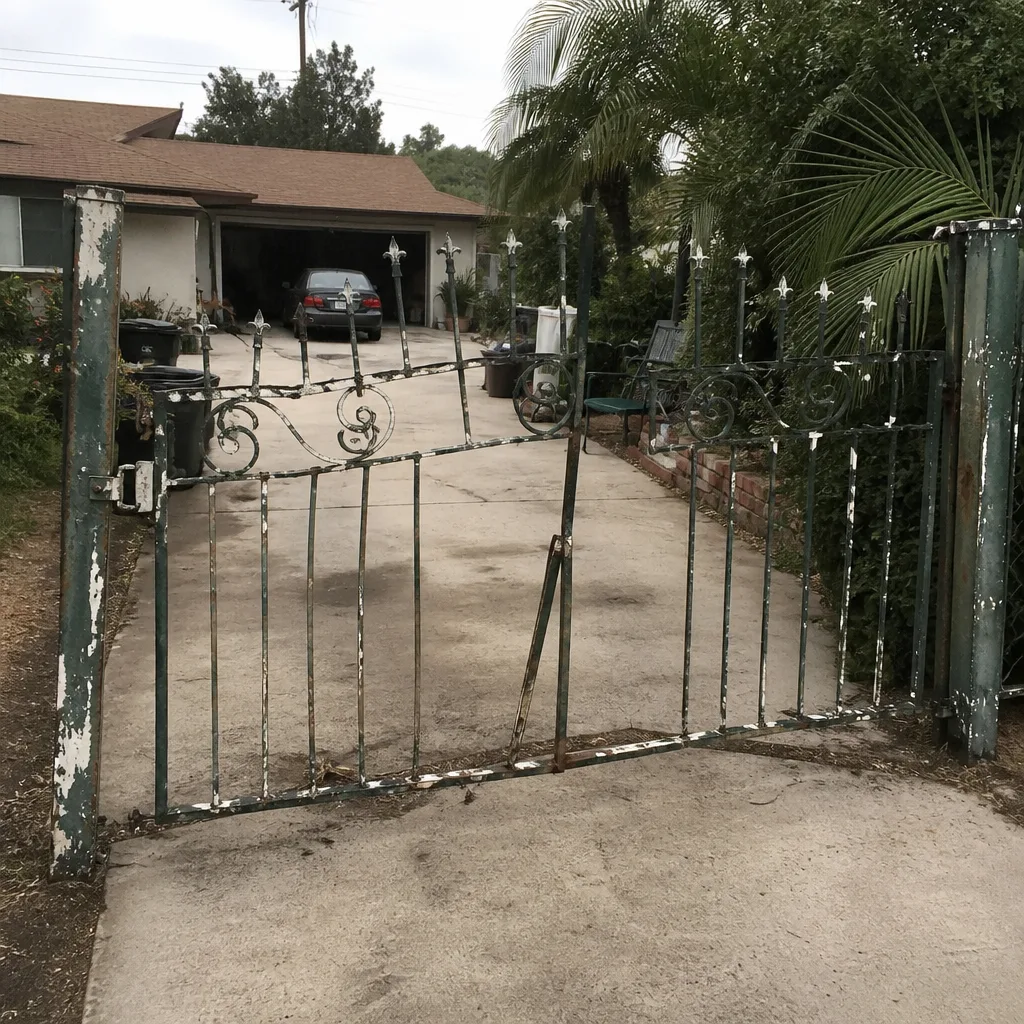 Before
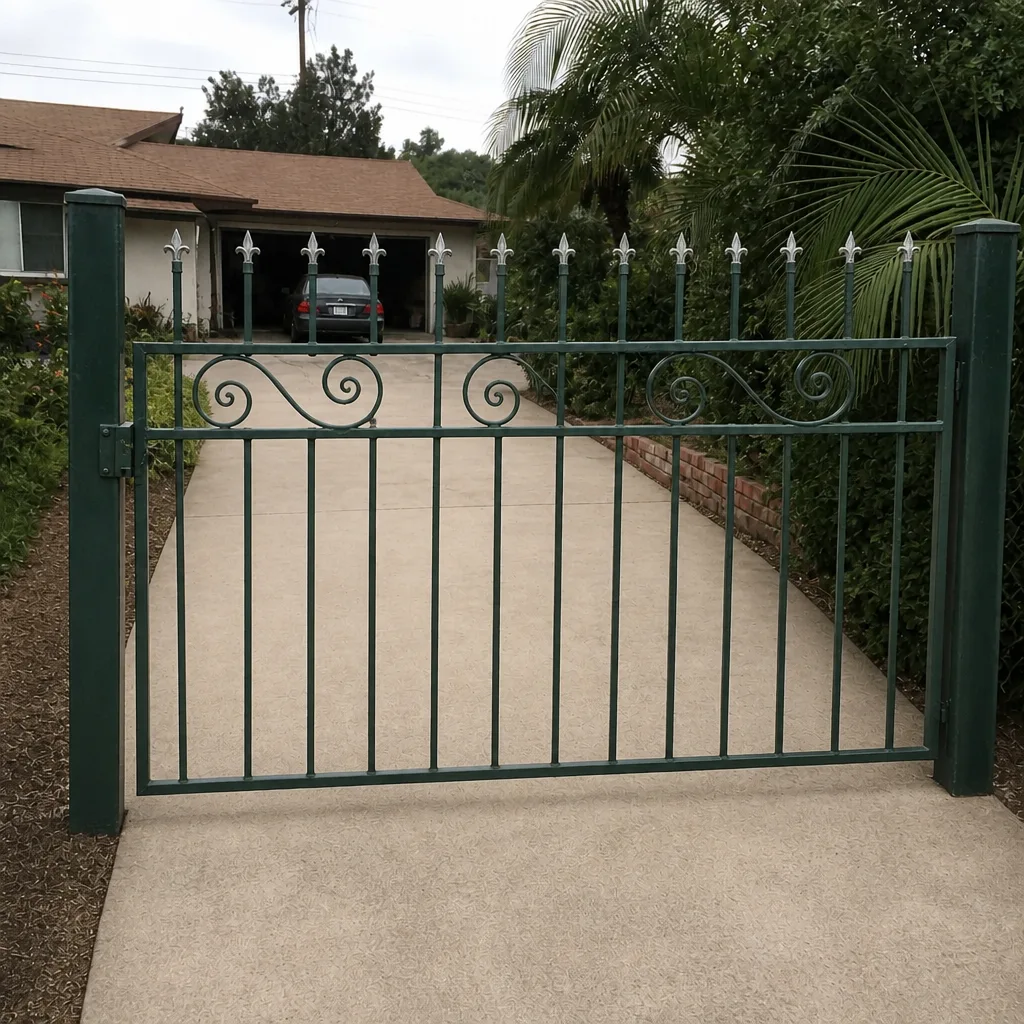 After
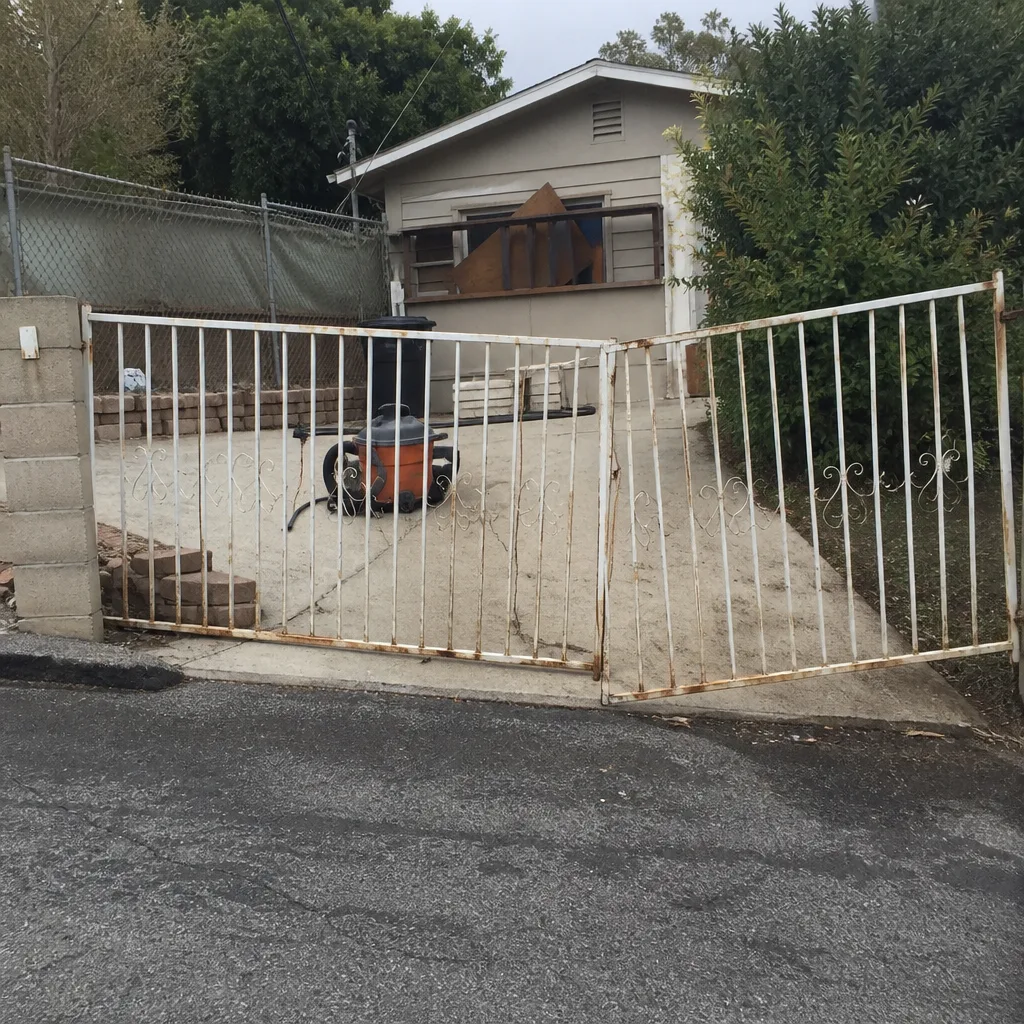 Before
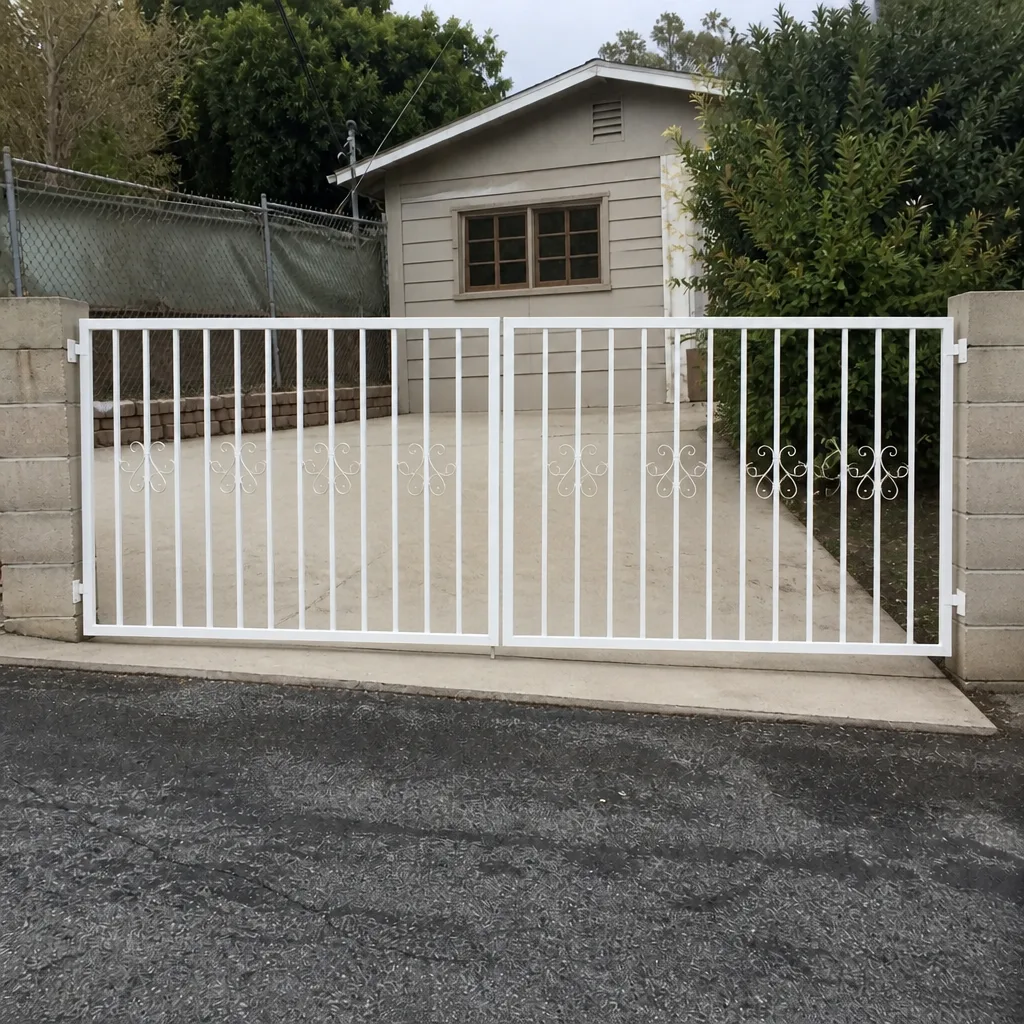 After
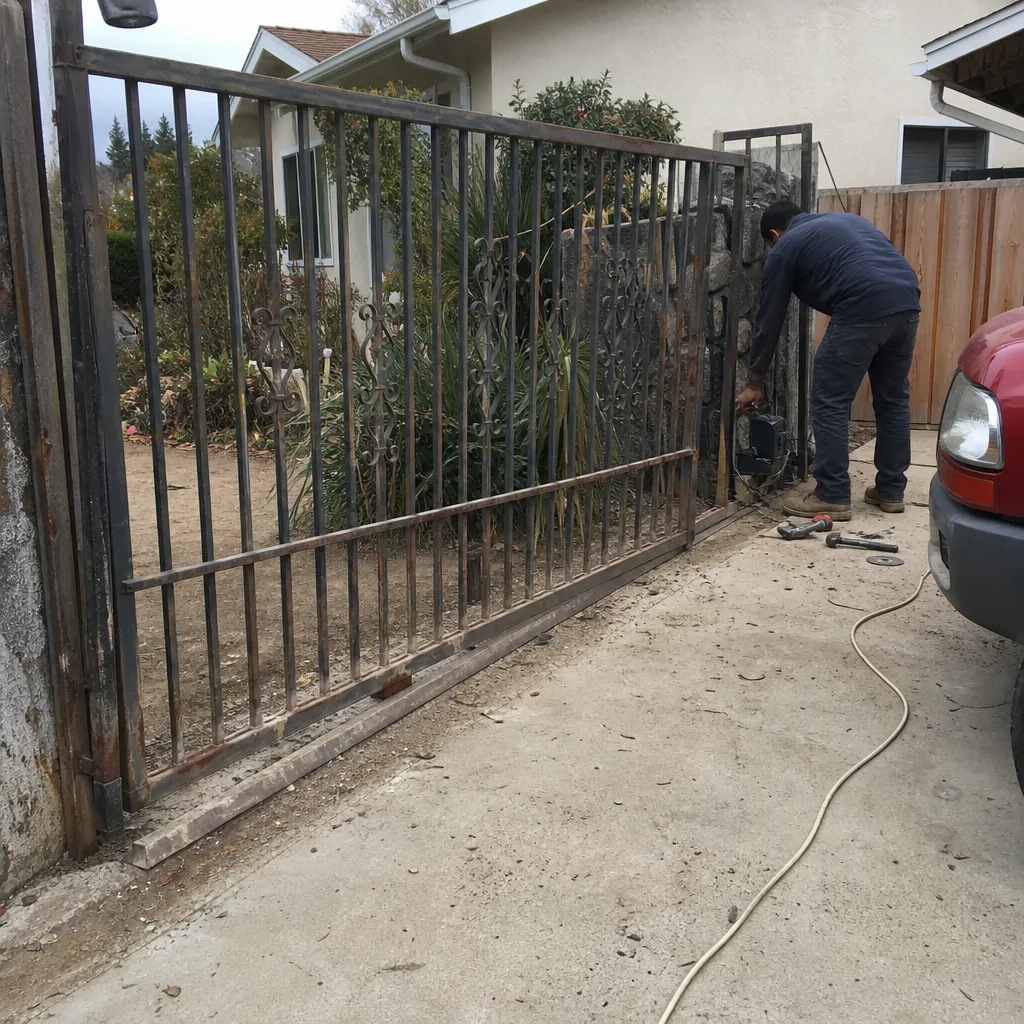 Before
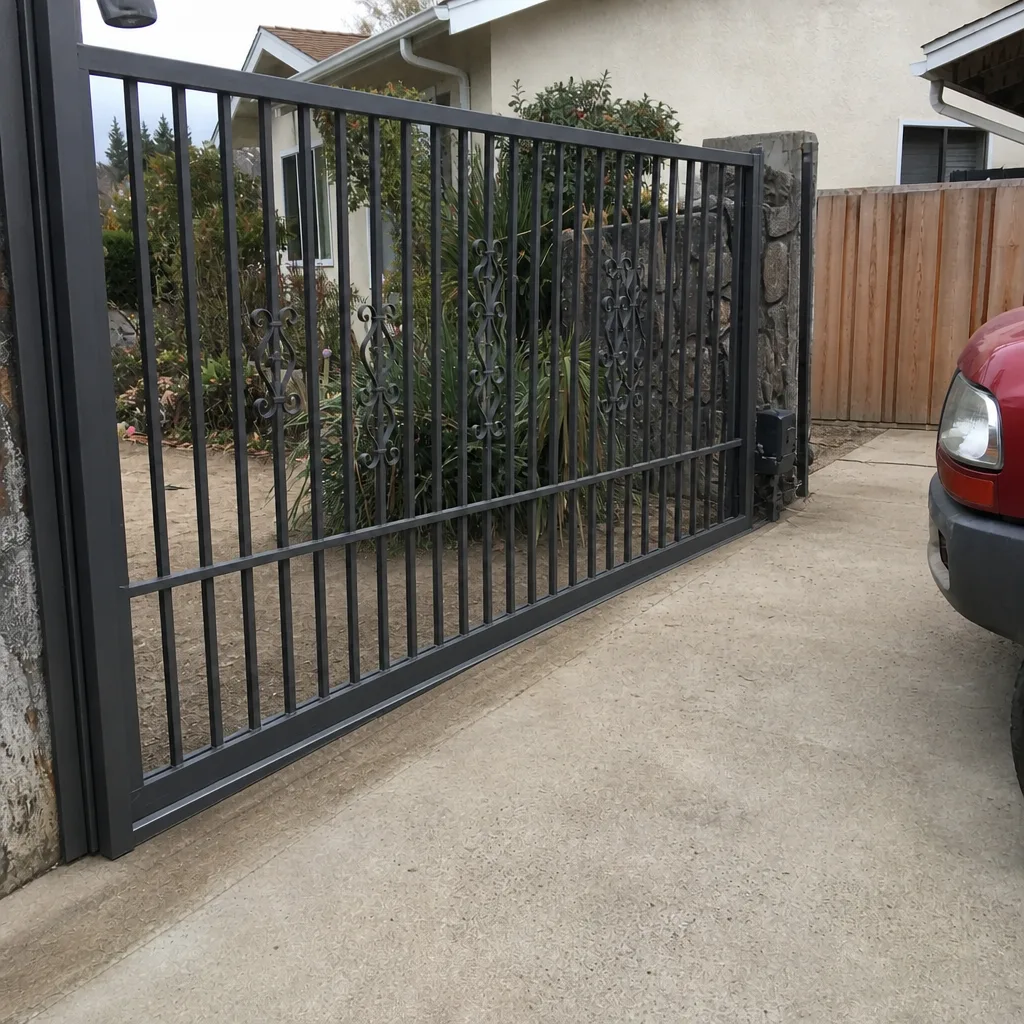 After