
Last updated November 4, 2026
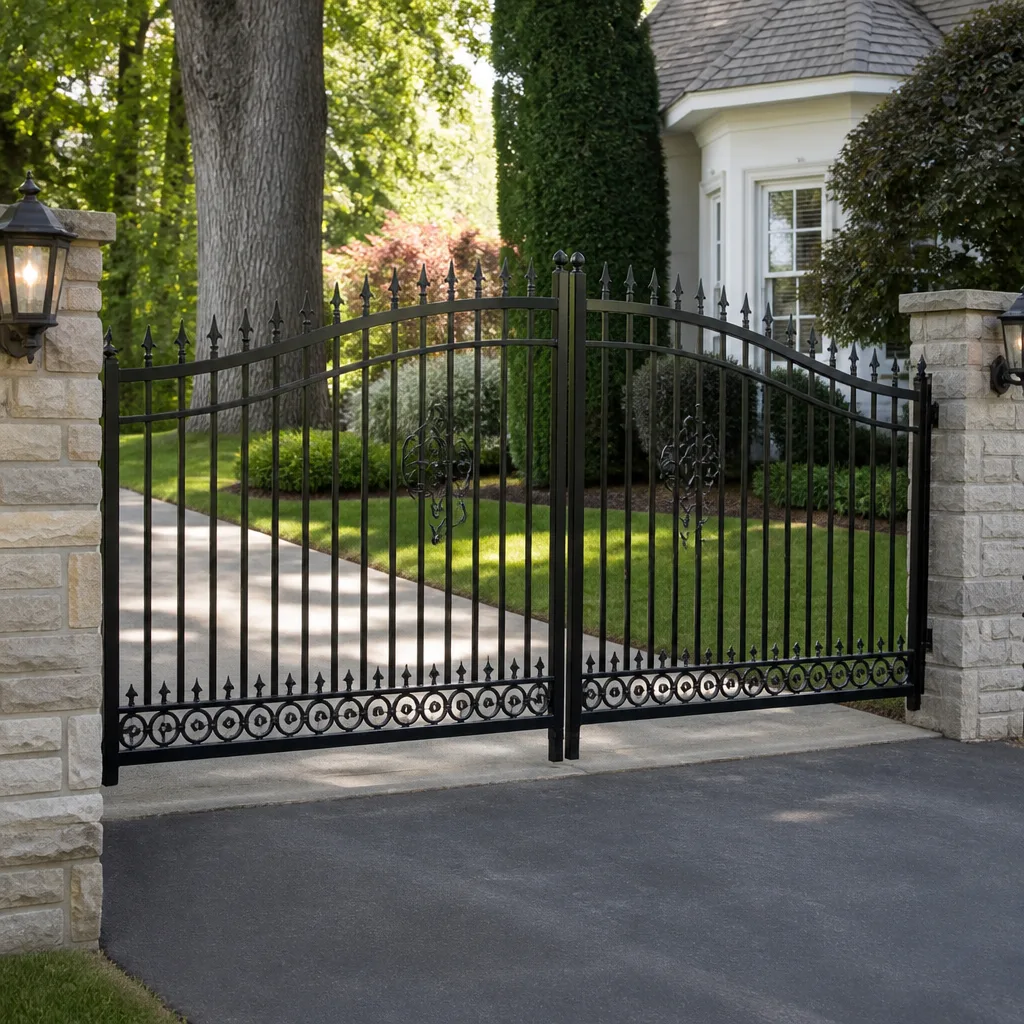 Wrought iron
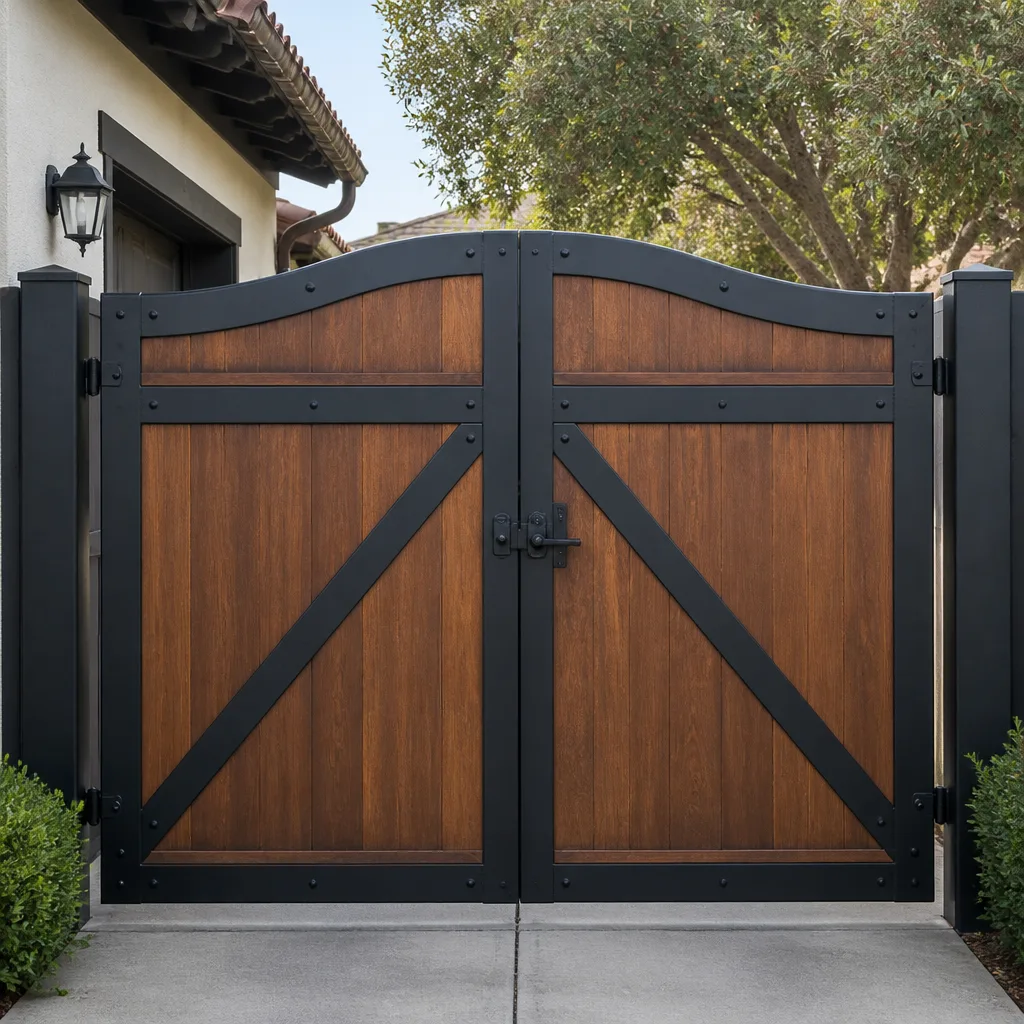 Wood & steel frame
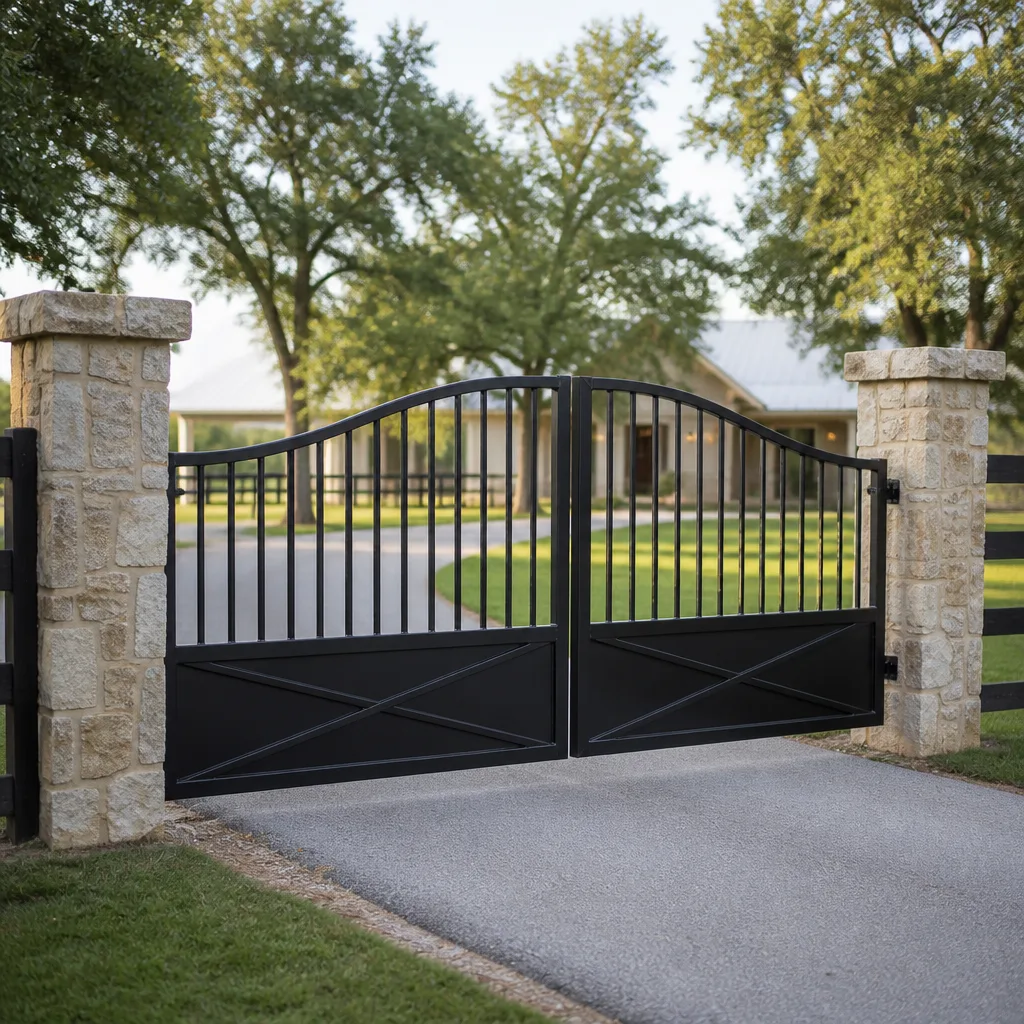 Farm & ranch
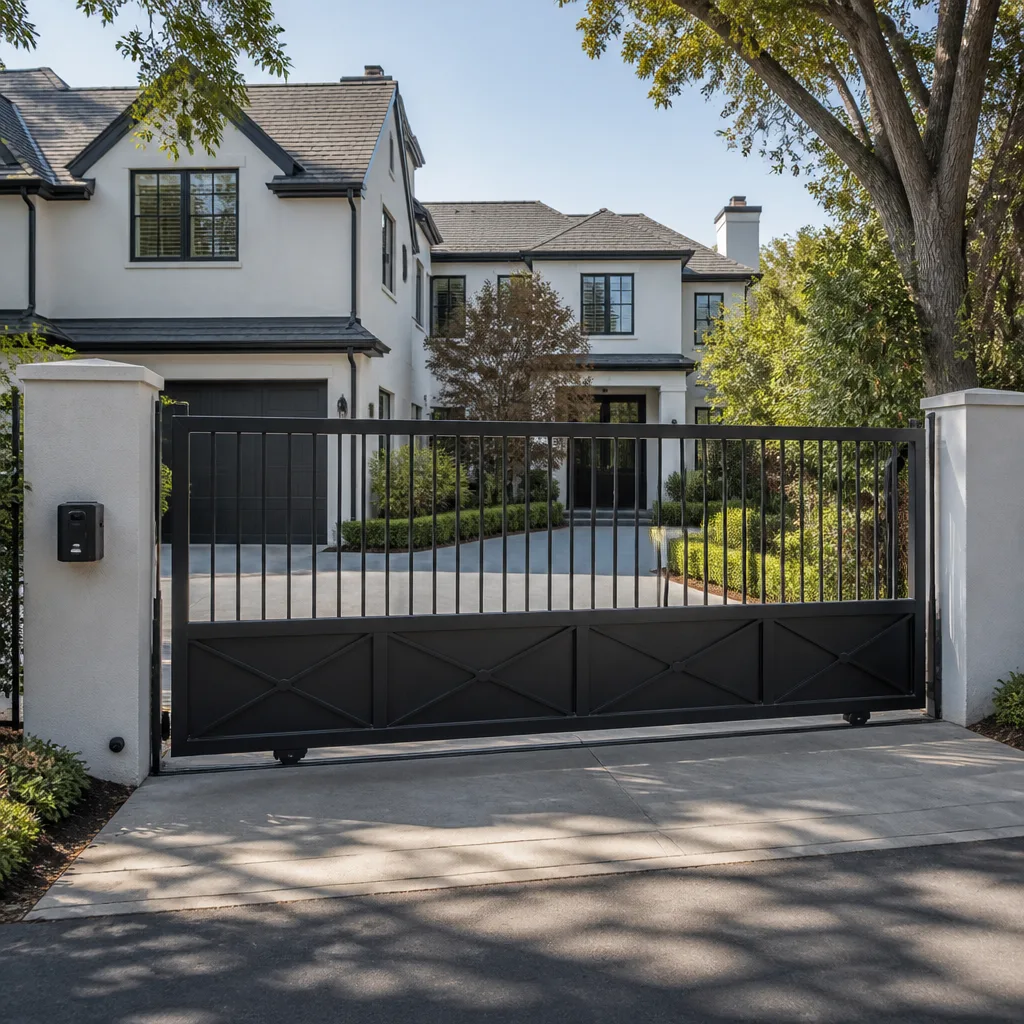 Sliding driveway gates
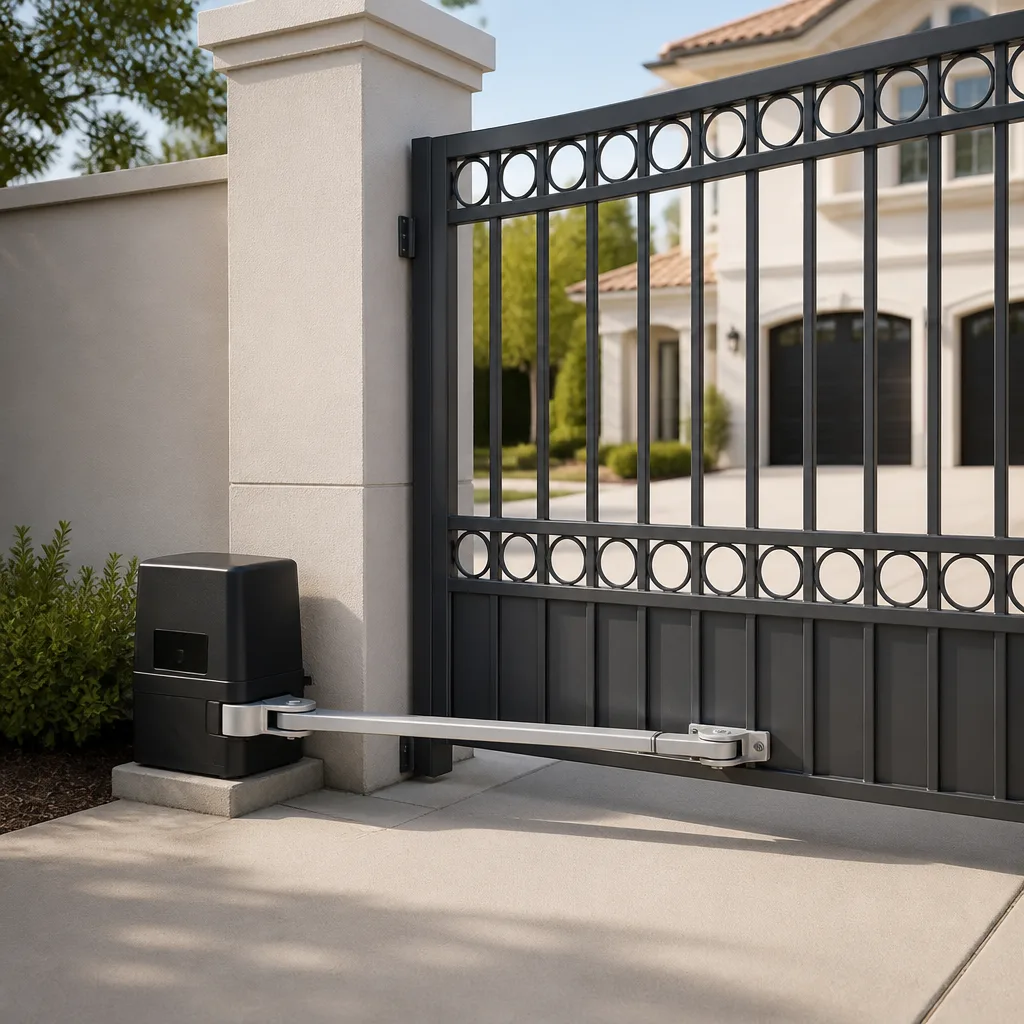 LiftMaster operators
Free on-site gate assessment - hinges, posts, and your LiftMaster or Nice gate operator checked before anything is quoted
The assessment is free and the quote is the invoice.
Get your free estimateGate Repair Warning Signs: A Vista Homeowner’s Reference Guide
A gate that reverses before closing all the way is easy to dismiss as an annoyance. It’s actually one of the clearest early signals that an obstruction sensor is misaligned or a motor is overloading, and both of those escalate quickly if ignored. Most symptom lists won’t tell you the difference between a problem that needs attention tonight and one that can wait a month. This guide fixes that. You’ll learn to sort every warning sign in Vista into one of three urgency tiers so you know exactly when to act, what to watch, and what to call about.
Styles & brands we work with
- Wrought iron
- Wood & steel frame
- Farm & ranch
- Sliding driveway gates
- LiftMaster operators
Quick Answer
Gate repair warning signs in Vista fall into three categories: immediate safety hazards (a gate that won’t stop, heavy panels off their track, exposed wiring), mechanical failures that should be scheduled within 30 days (grinding sounds, slow operation, sagging hinges), and cosmetic issues you can document and monitor (surface rust, faded paint, minor cosmetic play). Knowing which tier a symptom belongs to tells you whether to cut power and call today or simply keep an eye on it for now.
Table of Contents
- The Three-Tier Warning Sign Classification
- Automated Gate Warning Signs vs. Manual Gate Warning Signs
- Post Movement vs. Frame Warp vs. Hinge Failure
- What Gate Sounds Actually Mean: Grinding, Clicking, and Stuttering
- Warning Signs Specific to Vista Properties
- What to Check When You First Notice a Problem
- Common Mistakes to Avoid
- When to Call a Professional
- Frequently Asked Questions
- The Bottom Line
The Three-Tier Warning Sign Classification
A gate symptom list only helps if it tells you what to do about what you’re seeing. We sort every warning sign a Vista homeowner reports into three tiers. Tier one means act now. Tier two means schedule repair within the next month. Tier three means document what you see, compare it again in a few weeks, and only call if it changes.
Tier 1: Immediate Safety Hazard
These are conditions where someone can get hurt or the gate can cause property damage without any further warning. Shut the gate down at the breaker or unplug the operator and leave it in a safe position until a technician arrives.
- A gate that won’t stop or reverse when it hits an obstruction. This means the safety edges, photocells, or the operator’s internal current sensing have failed, and the gate will keep pushing with full motor force.
- Heavy panels leaning, tilted, or beginning to come off their track. A steel or iron gate panel weighs hundreds of pounds and can crush anything under it.
- Exposed or sparking wiring at the operator, keypad, or photo eyes. Water and an energized circuit are a dangerous combination.
- A slide gate that jumps, lifts, or bounces while moving. The wheels or rollers are failing, and the gate can derail entirely.
- A post that has rotted or cracked through at the base or is visibly leaning more each day. The entire gate structure weighs on that post.
If any of these are present, this is the moment to call for gate repair immediately. Leave the gate secured in a locked position if possible and keep people and vehicles away from it.
Tier 2: Schedule Repair Within 30 Days
These signs mean something is wearing out and will become a tier one problem if it keeps going. You have time to plan, but not forever. In our experience, Vista homeowners who schedule these repairs inside a month rarely pay for a full failure.
- A gate that moves slower than it did last season. The motor is working harder than it should, or the gate’s weight is increasing from absorbed water or loose hardware.
- Grinding, scraping, or a rhythmic grinding sound during travel. Bearings, rollers, or the chain are wearing and adding friction to every cycle.
- Visible sag at the latch side of a swing gate. The weight has begun to pull the hinge side down and the problem compounds.
- An operator that trips its breaker occasionally. The motor is drawing more current than the circuit expects, and the cause won’t fix itself.
- Photo eyes that work intermittently. A gate that sometimes ignores the safety beam is a gate you can’t trust, even if it hasn’t failed recently.
- Corrosion crust expanding around welded joints. In the Vista climate, the rust that starts on the surface gets into the joint and swells it from inside.
Every one of these is repairable before it becomes a complete failure. The key is not ignoring the early signal.
Tier 3: Monitor and Document
These are cosmetic or minor issues that have years of serviceable life left. The right response is a photo and a note, not a repair bill.
- Surface rust or paint oxidation that hasn’t pitted the metal. Document it, watch it, and touch it up when the weather allows.
- Minor cosmetic play in a latch or handle that doesn’t affect how the gate sits or closes.
- A keypad cover that’s sun-faded but still seals properly and has working buttons.
- Weathered wood texture on a wooden gate panel that is still structurally sound and not separating.
- A slight change in open or close speed that has stayed consistent and hasn’t worsened over several weeks.
Compare these items monthly. If anything moves from slow change to week-to-week change, it has moved into tier two and should be scheduled.
Automated Gate Warning Signs vs. Manual Gate Warning Signs
An automated gate and a manual gate share some failure modes, but their warning signs diverge in important ways. The operator, the safety circuit, and the control electronics create a whole additional layer of potential problems on an automated gate, while a manual gate gives you almost all of its information through physical feel and visible wear.
Automated Gate Warning Signs
Automated systems talk to you through the controls. We’ve seen Vista homeowners catch operator failures before they become complete breakdowns by treating these as warnings.
- The gate starts moving immediately when the opener is pressed but reverses before reaching the closed position. This usually signals obstruction sensors that have drifted out of alignment, or the operator’s current sensing has been set too sensitive or is reacting to friction in the track.
- The gate occasionally opens or closes on its own. This can be an electrical short, interference, or a failing circuit board that has begun to ghost-trigger.
- You press the remote and the gate does nothing, but it works from the keypad or the interior button. The remote receiver is failing or has lost its programming, which is a much smaller repair than a full operator replacement.
- The operator runs for a second, trips an internal overload, and stops. The motor is encountering a physical obstruction or a binding point. Continuing to operate it burns out the motor.
- The gate stops midway and loses all power. If the breaker works and the operator resets, the problem can still reoccur from heat build-up or a failing capacitor.
- The keypad accepts the code but nothing responds. Power is reaching the keypad but the communication to the operator has broken.
We work on LiftMaster, FAAC, BFT, Linear, Viking, Ghost Controls, DoorKing, Elite, and Mighty Mule systems, so when we look at an automated gate, the diagnosis starts with which operator is controlling it. Different systems fail in different ways, and knowing the brand shortens the repair.
Manual Gate Warning Signs
A manual gate gives you most of its information through how it moves and sounds when you push or pull it by hand. These signs apply whether the gate has an operator or not.
- The gate requires more effort to move than it did when new. Friction is increasing somewhere. It might be hinge wear, wheel drag, or a frame that’s no longer square.
- The gate stops partway through its swing or slide and needs to be helped along. The wheels, rollers, or hinges have worn enough that the gate is dragging rather than traveling.
- The latch no longer aligns with the receiver. The gate has shifted, and the misalignment will only get worse as time goes on.
- You hear a metallic squeal or groan when the gate moves. Lubrication has failed, and the metal is wearing against metal.
- The gate leaves a visible scrape in the soil or concrete where it travels. The carrying wheel or the hinge side has dropped, and the gate is dragging its leading edge.
- The handle or latch post is loose or moves when you touch it. Fasteners are backing out or the post has begun to work loose in its footing.
Manual gates are often neglected because they don’t have electronics to fail. But the mechanical side is what actually holds the gate up and moves it, and that’s where the worst damage occurs.
Post Movement vs. Frame Warp vs. Hinge Failure
These three things look similar from across the driveway. The gate doesn’t hang right, it doesn’t close all the way, and it may scrape or bind. But they require completely different repairs, and treating one as another wastes time and money.
Post Movement
Post movement is when the vertical member that attaches to the ground or wall has shifted. The post remains straight, but it’s no longer plumb. You spot it by sighting down the post or by checking the gap between the post and the frame where the hinges mount. If the gap opens and closes as the gate moves, the post is working in its footing.
- The repair usually involves resetting the post in a new footing with adequate depth and concrete anchoring.
- If it’s a wall-mounted post, the hardware pulling out of the block or stucco is the signal.
- You cannot fix this by adjusting the hinges. Hinges attach to the moving gate and the fixed post, but if the post moves, hinge adjustment is a temporary shim at best.
Frame Warp
Frame warp is when the gate panel itself has twisted or bowed, usually from sun exposure, water absorption in wood, or a long-term load it was never designed for. The post stays straight and the hinges stay tight, but the gate’s far edge sits high or low, or the panel waves across its face.
- A long, single-panel wood gate is the classic candidate. In Vista’s dry, hot stretches, wood gates dry out and twist if they weren’t braced properly at installation.
- The repair may involve adding a diagonal brace, reframing the panel, or replacing the panel entirely if warp is severe.
- This is a fabrication repair, not a hinge or post repair.
Hinge Failure
Hinge failure is wear or bending at the hinge itself. The post and frame are both fine. The hinge pin is sloppy, the leaves have bent, the weld has cracked, or the fasteners have pulled out of the wood or metal they were driven into.
- You can often see the gate drop suddenly as it passes through the open position because the hinge side is giving way.
- A gate with a failed lower hinge will sag at the latch side while the top hinge still holds, which is the classic reverse before the latch touches the post.
- Repair is usually replacing the hinge or welding the cracked joint, which is far less expensive than a new gate.
The three conditions can overlap. A gate that binds because of a failed hinge can put extra load on a post and eventually move it. The diagnostic question is always what failed first, and that’s where a gate specialist earns the call.
What Gate Sounds Actually Mean: Grinding, Clicking, and Stuttering
Gate sounds are specific. They’re among the most reliable warning signs, and once you know what each one means, you can describe a problem to us over the phone accurately enough to start planning the repair before we arrive.
Grinding
A grinding sound is metal on metal with force behind it. Think of the sound a drill makes against steel. In a slide gate, grinding typically means the rollers or wheels have seized and the gate is dragging over the track, or the track itself has filled with compacted debris. On a swing gate, grinding comes from a hinge with no lubrication left, and the sound can carry through the entire panel. On automated gates, a grinding operator gearbox means the internal gears are stripping or the chain has jumped a tooth. A gate that grinds is doing damage to itself every time it moves, and a Vista homeowner who catches it early is usually replacing a $40 roller instead of a $600 operator gearbox.
Clicking
A fast clicking or chattering sound while an automated gate tries to move almost always points to an electrical or operator issue rather than a mechanical one. It’s the sound of the operator trying to start but being unable to. On a BFT or Linear operator, a click with no movement often means the start capacitor has failed. A click that repeats while the gate stutters can mean a low-voltage wiring problem at the keypad or a failing limit switch. A single click when you press the remote, followed by nothing, usually means the receiver heard the signal but the relay or the motor didn’t respond. Clicking is a warning sign because electrical components that chatter often overheat and fail completely shortly after.
Stuttering
Stuttering is when the gate moves in short, jerky increments instead of one smooth travel. On an automated gate, stuttering often means the operator is receiving intermittent power, a limit switch is failing, or the gate’s mechanical resistance is spiking and the operator is fighting it. On Ghost Controls systems, a stutter on start can mean the soft-start function is not working or the gate is too heavy for the operator. On a manual gate, stuttering or catching at one point in the travel means the hinges are binding, a wheel has a flat spot, or the track has a dent. None of these clear up on their own.
Warning Signs Specific to Vista Properties
Every climate puts its signature on gate hardware. Vista sits inland, with hot, dry summers and marine-influenced mornings, and that specific weather pattern shows up in recognizable ways. The most common Vista-specific failure is salt exposure, and it works slowly enough that most people don’t see it until it becomes structural.
Coastal Salt Exposure on Gate Hardware
Salt air does not announce itself with dramatic rust blooms first. It starts as a fine, white-ish gray powder on aluminum, or as tiny pinholes appearing in painted steel, usually on the underside of rails, around welded joints, and on fasteners. That powder is the early stage. The next stage is the paint lifting in small, hard blisters. The stage after that is the metal pitting, and at that point the hardware has lost a meaningful amount of its cross-section.
What to look for on a Vista gate:
- White powder dusting on aluminum hinges, brackets, or welded corners. This is oxidation beginning. It can often be cleaned and treated if caught early.
- Rust-colored weep stains running down from screw heads or joint seams. The fastener or the joint is corroding from behind and bleeding out.
- Pinhole bubbling in the paint where the salt has gotten under the coating. Each bubble is a site where moisture is working.
- A hinge or bracket that looks swollen compared to the rest of the hardware. The corrosion product is larger than the steel it replaced and it pushes outward.
- Flaking or pitting around the bottom rail where irrigation overspray from Vista landscaping sits against the metal. The combination of water and residual soil salts accelerates the same corrosion.
The structural warning signs are the ones to act on. A bottom rail with a hole through it, a welded joint with visible cracks around a rust crust, or a hinge pin that won’t hold its position are tier two at best and often tier one. Catching the white powder stage means a cleaning and re-coating job instead of a rail replacement.
What to Check When You First Notice a Problem
When a gate starts acting differently, the first hour of observation can save you from an unnecessary service call or catch a small problem before it becomes a large one. Here is a numbered checklist to work through before you pick up the phone.
- Confirm the symptom is repeatable. Watch the gate cycle three times. If the problem happens every time, you have a consistent failure. If it only happened once, note the conditions: temperature, time of day, whether anything was interfering.
- Check the obvious physical space. Look at the full travel path. Branches, children’s toys, stacked landscaping material, or a new vehicle parked slightly into the gate’s swing path can cause exactly the symptoms that look like sensor or motor failures.
- Check the photo eyes or safety edges. On an automated gate, wipe the photo eye lenses with a dry cloth and make sure they’re still facing each other. An edge that’s visibly torn or a photo eye that’s pointing at the ground will stop the gate every time.
- Inspect the hinges and wheels. Look for rust trails, fresh metal shavings on the ground below a hinge, or a wheel that’s no longer sitting flush on its axle. Metal shavings mean the part is actively wearing.
- Look at the post bases. Sight down each post and look for cracks in the concrete footing or soil gaps opening at the base. A post that moves when you push on it has already failed.
- Listen during the next cycle. One clean cycle with your eyes closed can tell you more than ten with a camera. Grind, click, stutter, or squeal each point to a different system.
If you’ve worked through this and the problem persists, write down what you saw and bring it to the call. A two-sentence description of a repeatable symptom is worth more than a full page of guesswork when our technician arrives.
Common Mistakes to Avoid
- Oiling a gate that needs a mechanical repair. Lubricant can temporarily quiet a grinding hinge, but it won’t rebuild the metal that’s already worn away. You end up with a quiet hinge that’s still failing, and the delay lets the wear get more expensive.
- Continuing to operate an automated gate after it trips an overload. The overload is the operator’s way of saying it’s being asked to do something it can’t. Resetting the breaker and running it again pushes the motor or the board closer to permanent failure.
- Adjusting the hinges to fix a post problem. If the post has moved, hinge adjustment only works until the post moves further. The real repair is resetting the post, and every hinge change made before that is wasted.
- Painting over rust without removing it. In Vista’s salt-exposure conditions, painting over active rust seals moisture and salt under the coating and accelerates the pitting you were trying to stop.
- Ignoring a slow gate because it still opens. Slow operation means increased friction somewhere, and friction becomes heat in an operator motor. The gate still works right up until the motor burns out, which is the most expensive version of the repair.
- Calling a generalist who has never worked on your operator brand. A Linear, BFT, or Viking operator doesn’t diagnose itself by trial and error. If the person on the phone hasn’t heard of the brand you’re describing, the diagnosis will be slow and the repair will be a guess.
- Leaving the gate connected to power while a technician is scheduled. If the gate has shown any sign of moving on its own or ignoring its safety edges, shut it down at the breaker until the repair. A gate that cycles unexpectedly is dangerous to everyone around it.
When to Call a Professional
Call the moment you see a tier one warning sign: a gate that won’t stop, a panel coming off its track, exposed wiring, or a post that’s clearly failing. Shut the system down first and leave it secured. Call within a week when you have a tier two sign like grinding, sagging, or intermittent photo eyes, because time works against you on mechanical wear. And call for a free estimate any time you’re not sure which tier you’re looking at: describing the symptom over the phone is faster than guessing. Sterling Gate Repair offers free estimates in Vista. We work on LiftMaster, FAAC, BFT, Linear, Viking, Ghost Controls, DoorKing, Elite, and Mighty Mule systems, and we diagnose by system rather than by guesswork. Call (855) 773-5055 to schedule a visit. We answer 24/7. Fast dispatch from 7am to 7pm, Sunday through Friday.
Frequently Asked Questions
The most common warning sign we see in Vista is a gate that has begun to slow down or bind during travel, usually because hinges or rollers are wearing and adding friction. It’s the earliest reliable signal that a mechanical repair is coming, and it’s the easiest one to miss because the change happens gradually over months.
It’s urgent if the gate can hurt someone or damage property without warning. A gate that won’t reverse, a panel leaning or coming off its track, exposed wiring, or a post that visibly moves are all urgent. Shut the gate down and call immediately.
Yes. Misaligned photo eyes, a torn safety edge, or an obstruction sensor that has drifted out of adjustment will cause a gate to stop and reverse before it reaches the closed position. It’s a warning sign that the safety circuit needs attention, not a problem to fix by disabling the sensor.
A gate that clicks but doesn’t move usually points to an electrical or operator problem, such as a failed start capacitor, a low-voltage issue at the keypad, or a relay that’s heard the signal but isn’t sending power to the motor. The click means the system is trying. The silence after it means something in the power path has failed.
You can use it for a short time while you schedule a repair, but a grinding gate is actively wearing itself. Every cycle removes more metal from a hinge, roller, or gearbox, and a noise that starts as a small repair can become an operator or hinge replacement within a few weeks. Call (855) 773-5055 to schedule a visit before the wear gets worse.
Yes. We offer both electric gate repair and traditional mechanical gate repair, from simple swing gates to automated systems with access control. The same team handles the operator, the wiring, and the physical gate structure, which matters because most gate failures involve more than one system.
The Bottom Line
A gate gives you warning signs long before it fails, but only if you know which signs mean act now, which mean schedule soon, and which mean watch and wait. The three-tier system in this guide is the sorting tool. Vista’s climate adds one more layer: salt exposure that starts as a white powder and ends as structural corrosion if it’s ignored. When the signal is urgent, shut the gate down and call. When it’s not, document it and watch it. And when you’re not sure, that’s what we’re here for. Vista homeowners can call us at (855) 773-5055 for a free estimate, and we’ll tell you exactly where your gate stands. We answer 24/7. Fast dispatch from 7am to 7pm, Sunday through Friday.
Written by the team at Sterling Gate Repair, serving Vista since 2015.
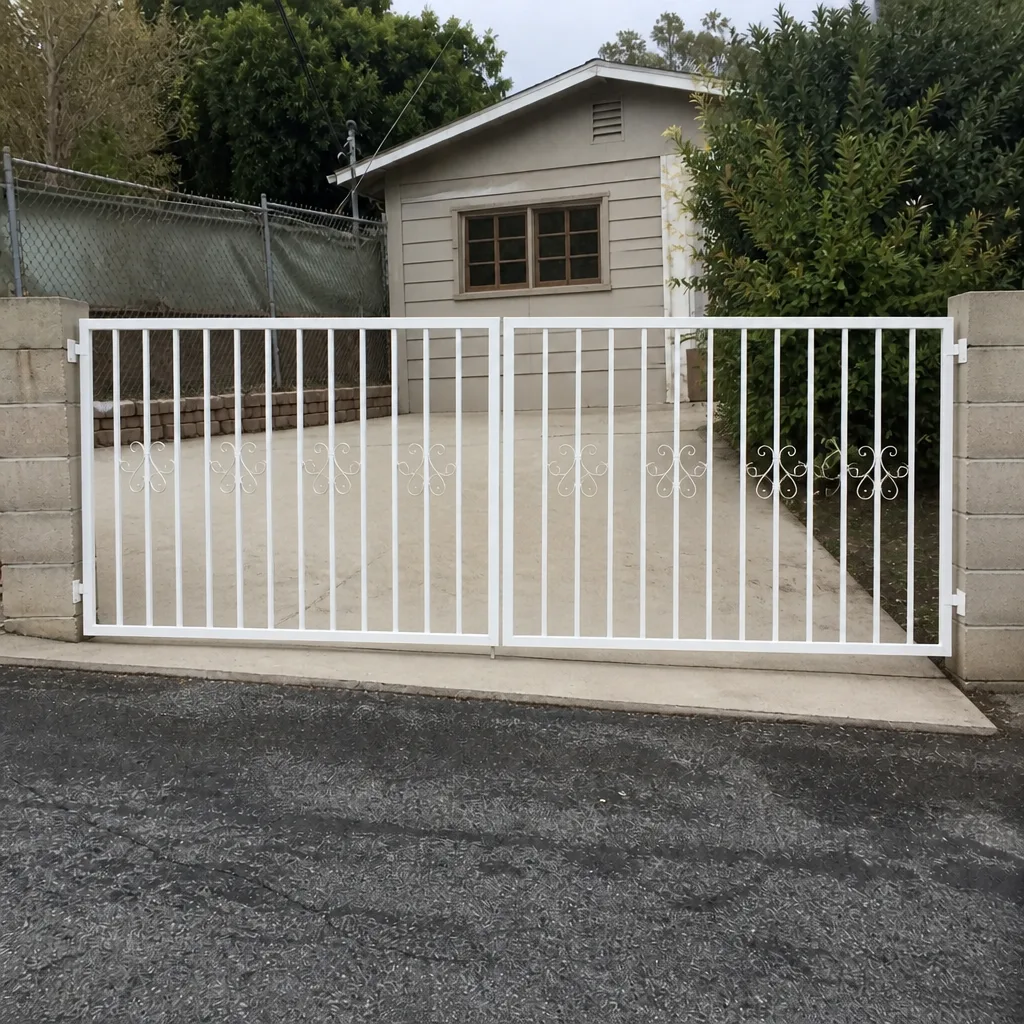
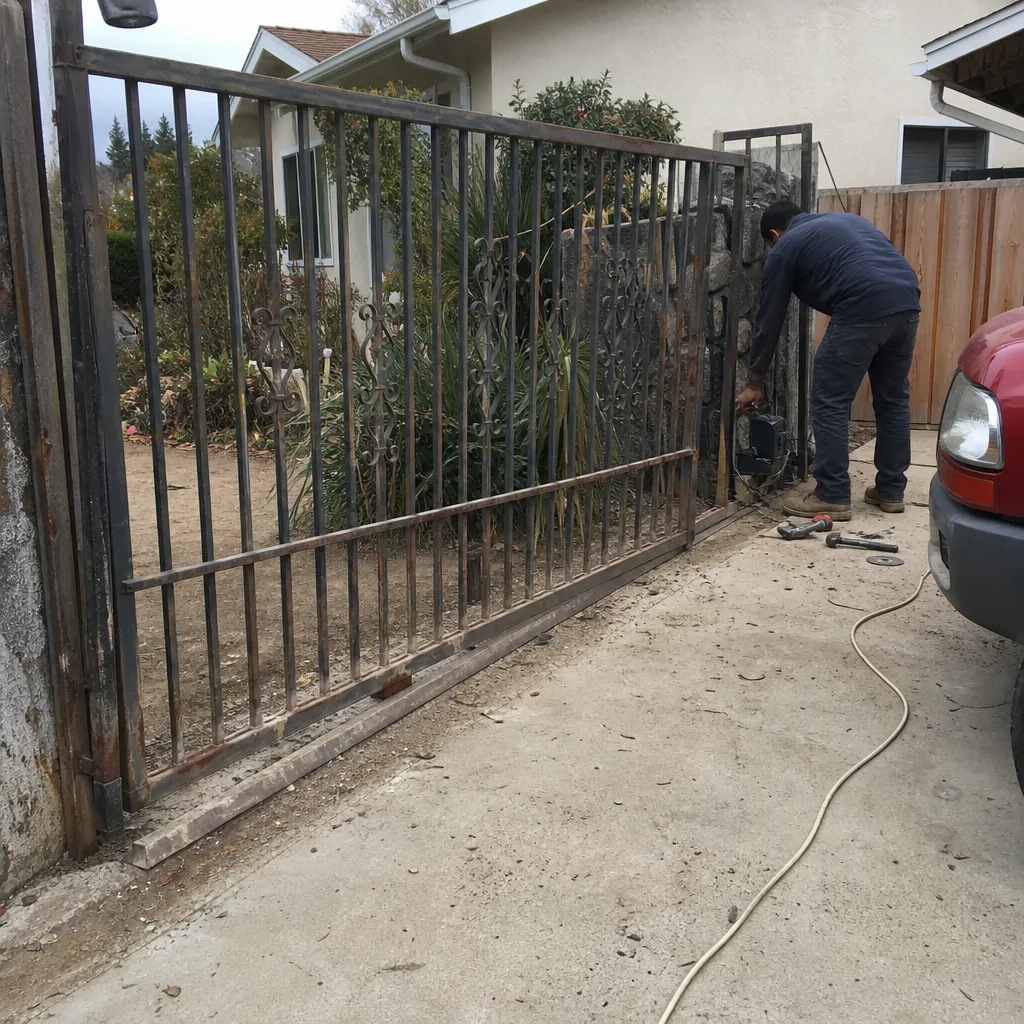
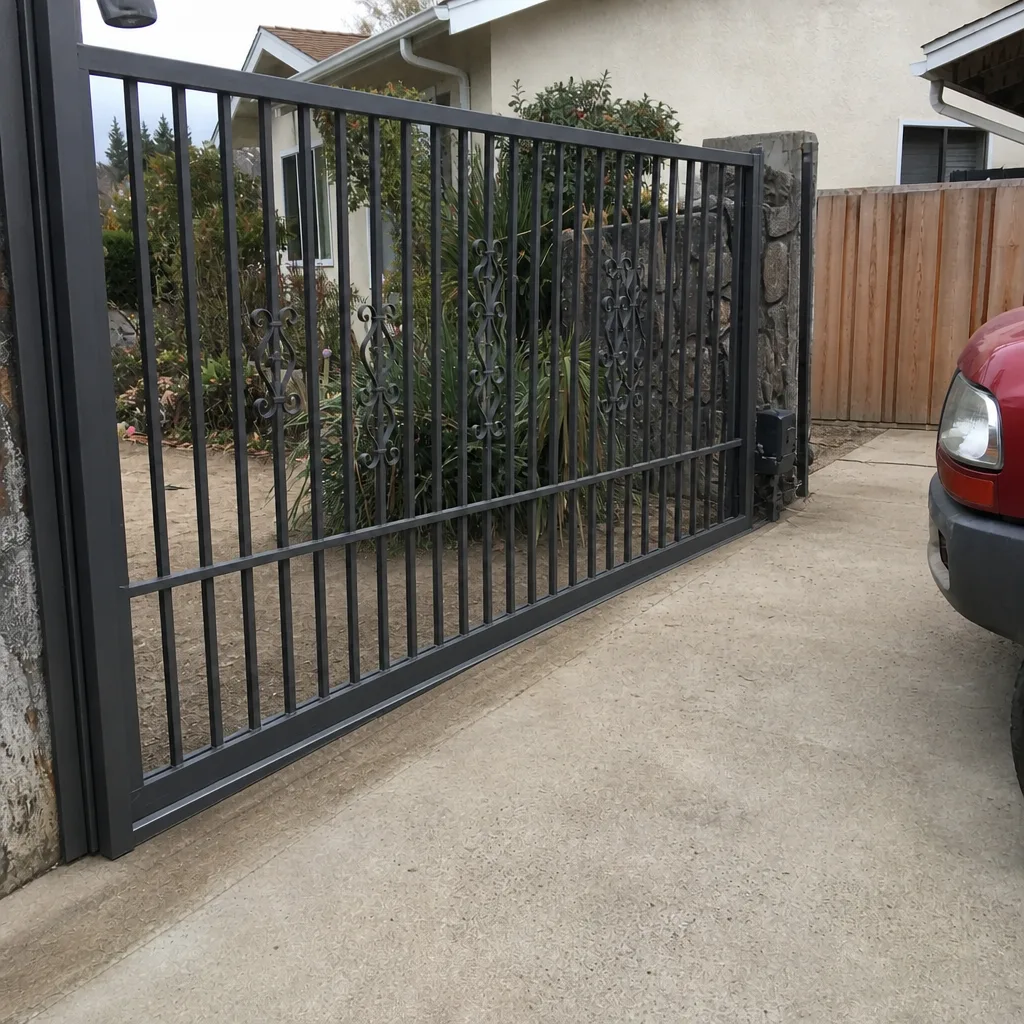
See the difference
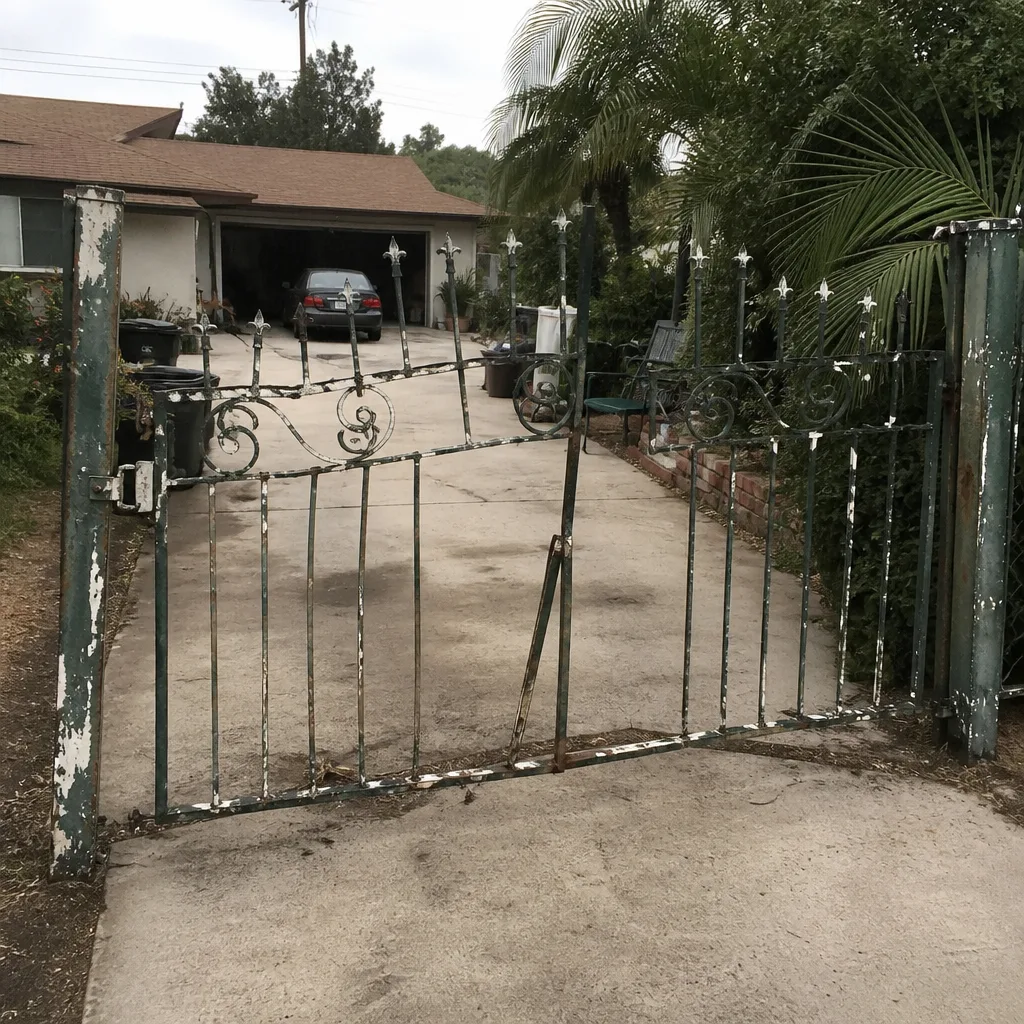 Before
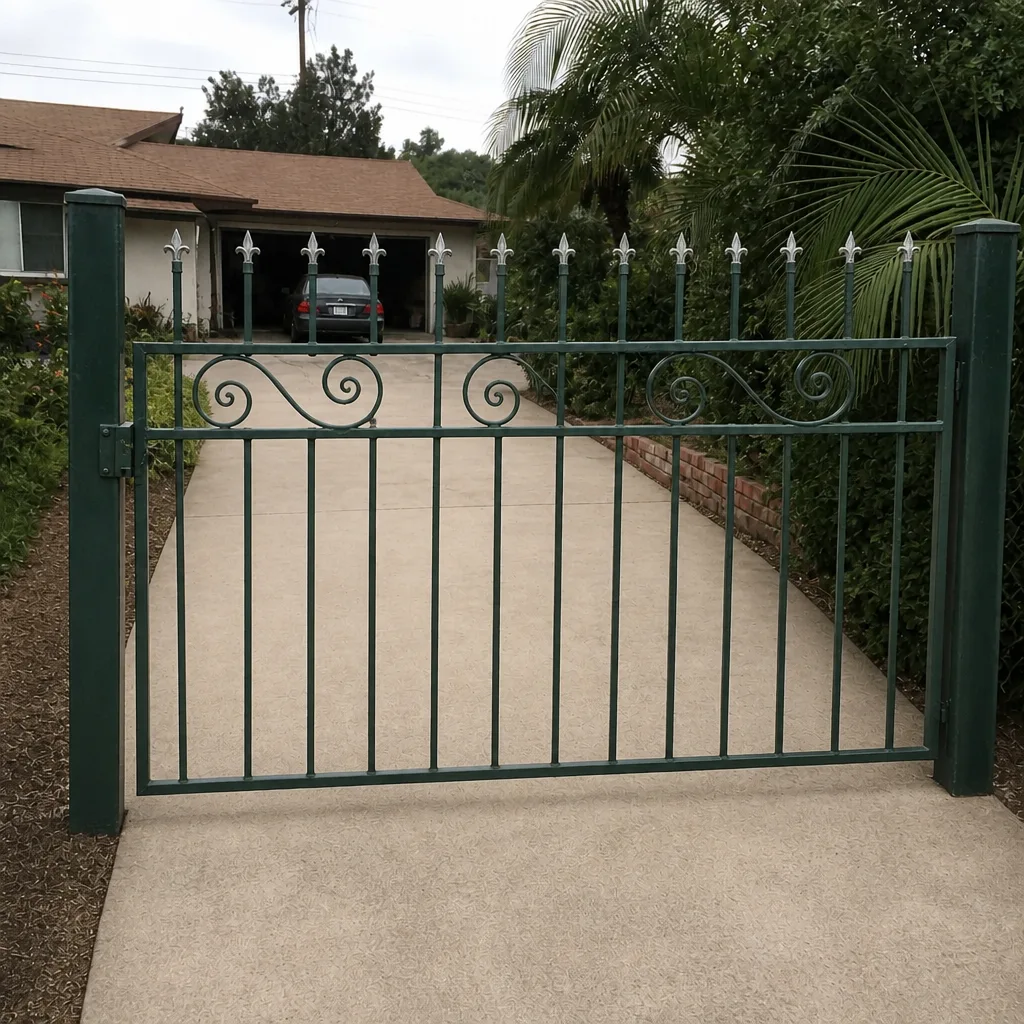 After
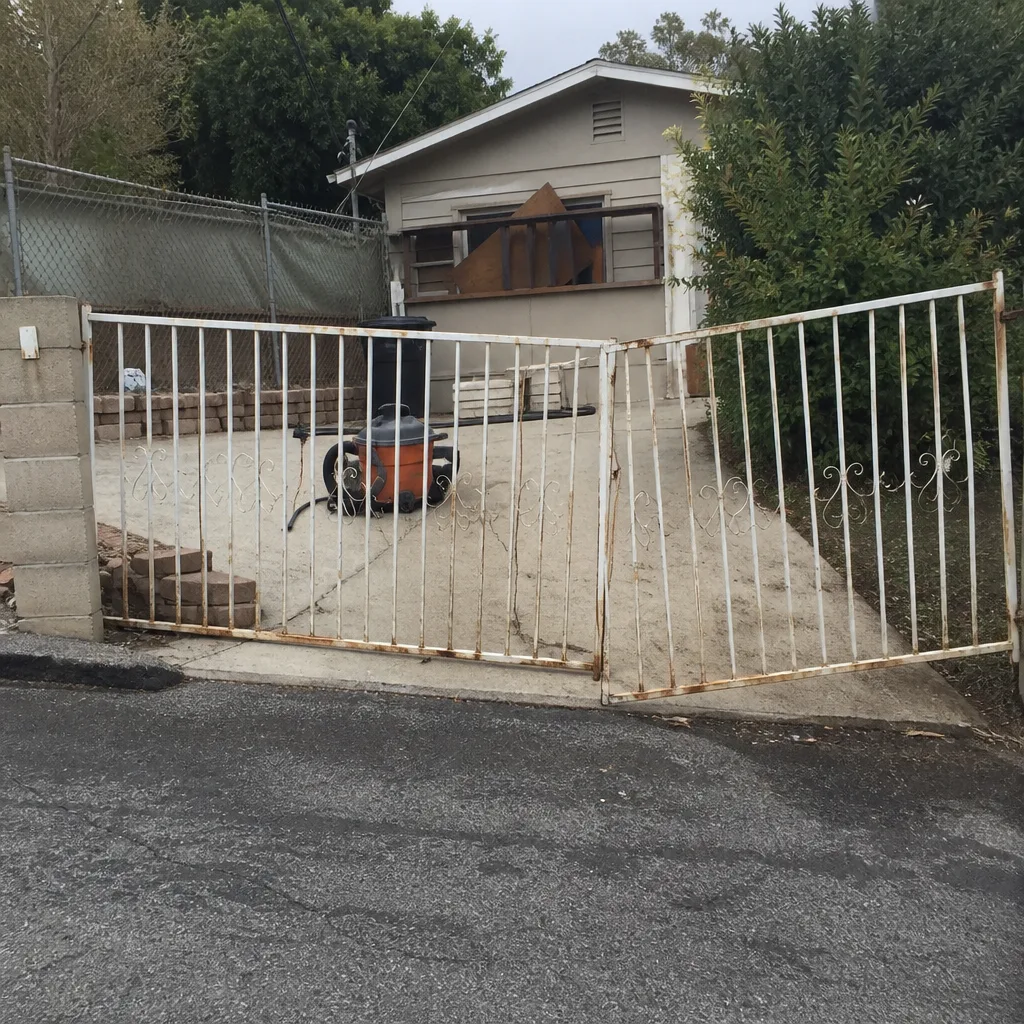 Before
 After
 Before
 After