
Last updated November 4, 2026
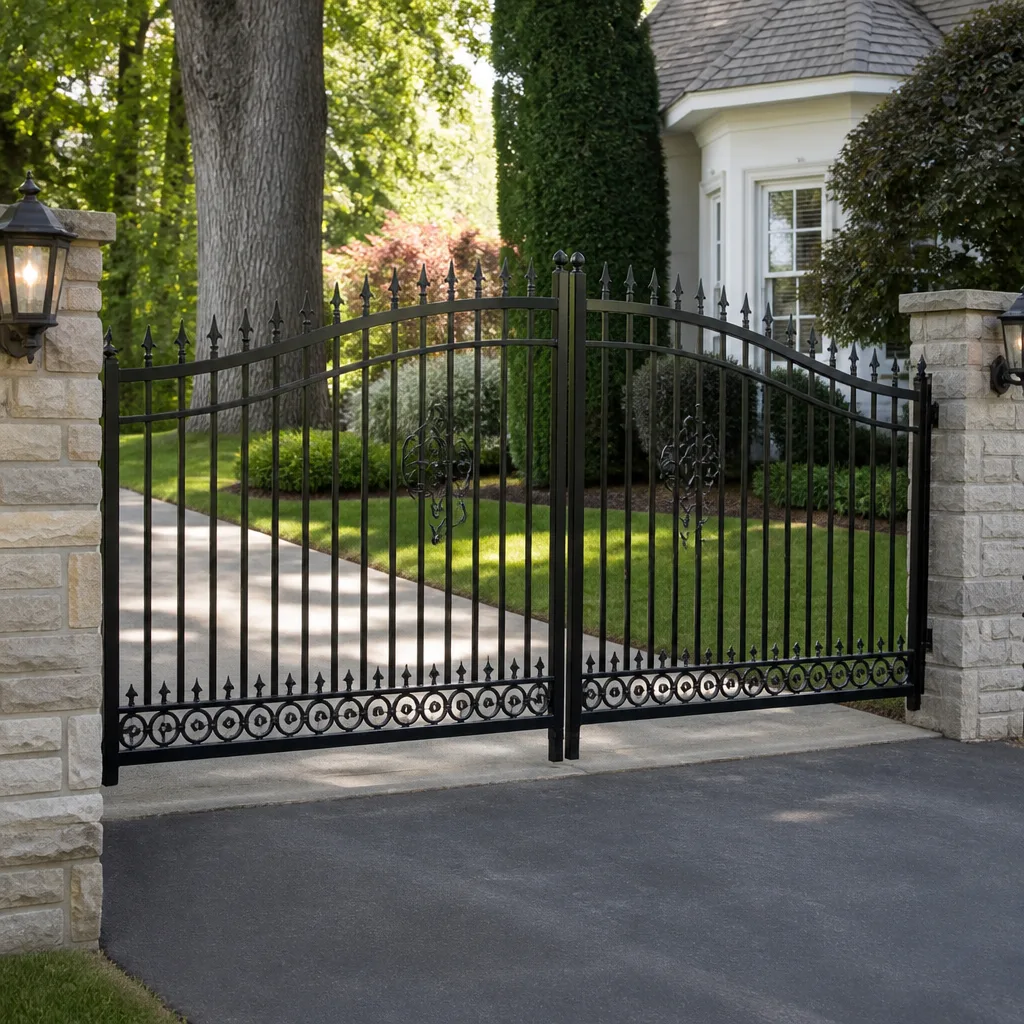 Wrought iron
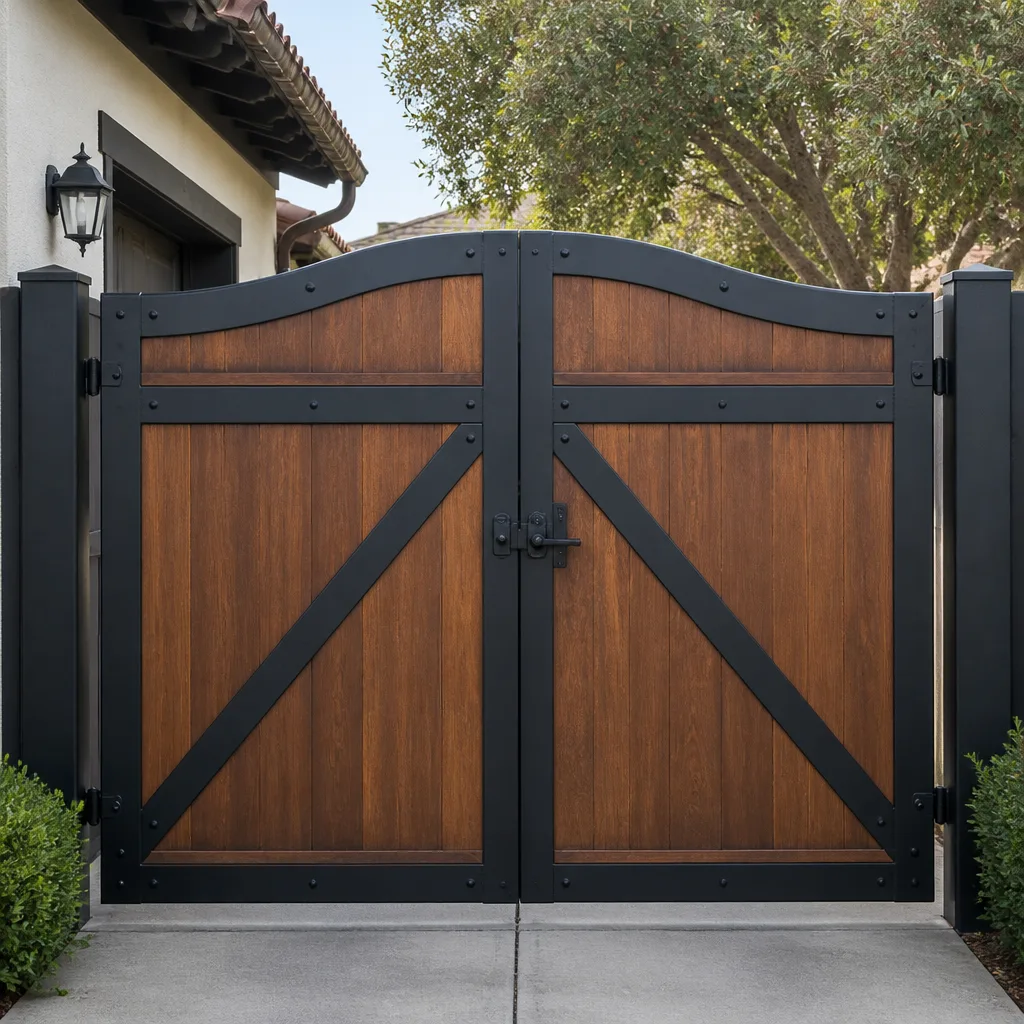 Wood & steel frame
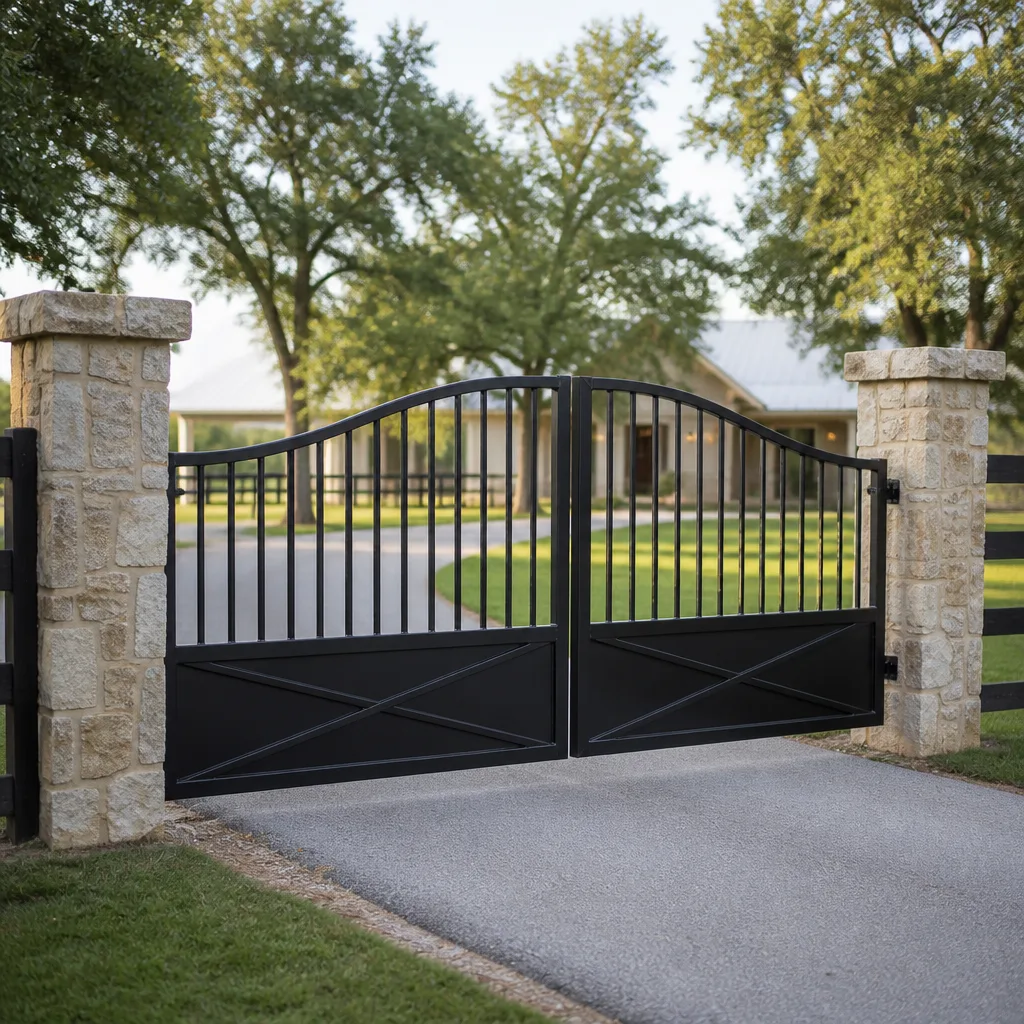 Farm & ranch
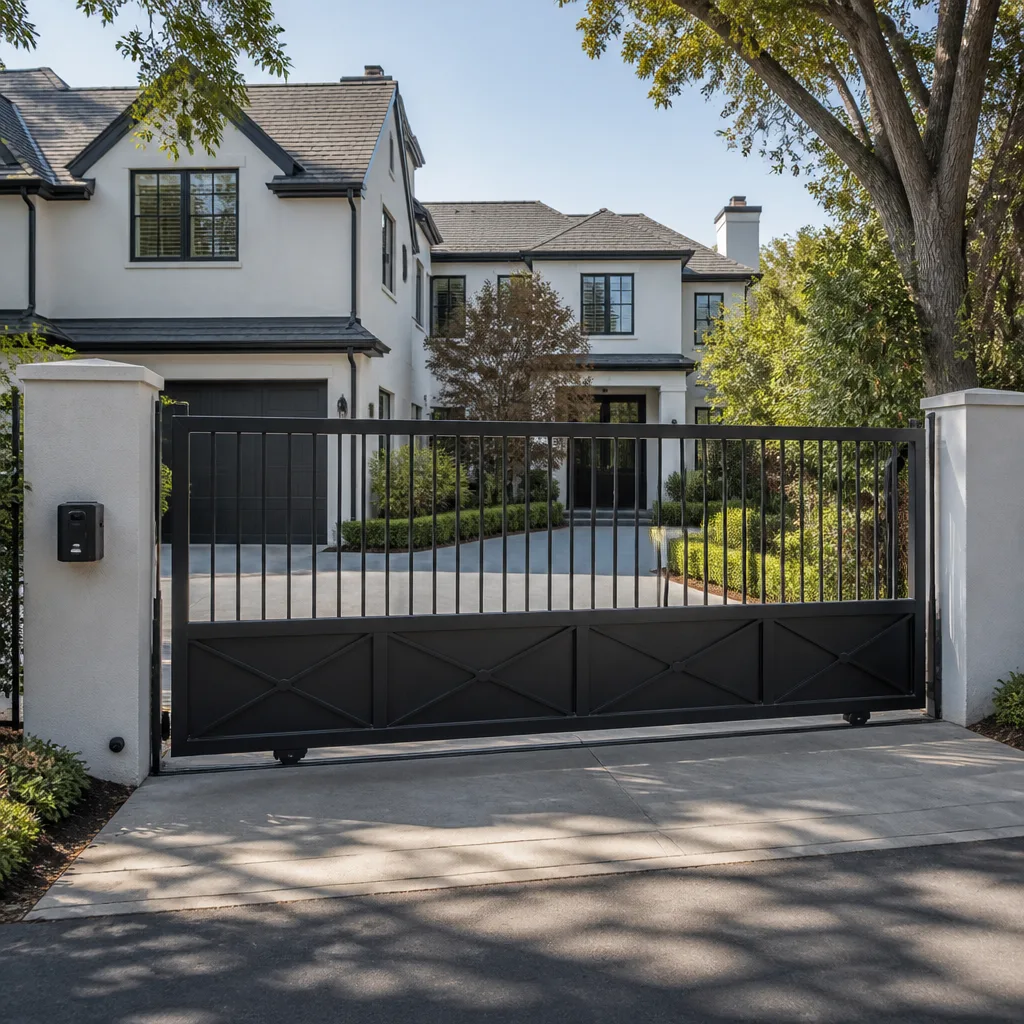 Sliding driveway gates
 LiftMaster operators
Free on-site gate assessment - hinges, posts, and your LiftMaster or Nice gate operator checked before anything is quoted
The assessment is free and the quote is the invoice.
Get your free estimateGate Repair Permits, Codes & Inspections in Vista, CA: What You Need to Know
Most homeowners assume gate repair is permit-free. That assumption holds right up until the moment a contractor resets a post footing or runs new electrical to an operator, and suddenly the City of Vista wants to know why no permit was pulled. The distinction between a maintenance repair and structural work is where permits live, and it’s a line that gets crossed accidentally more often than anyone admits. This guide explains exactly where that line sits in Vista, how HOA rules layer on top of city code, what unpermitted gate work means during a home sale, and what the permit process actually costs in time and money. We’ve written this as gate specialists, not generalists, because the permit triggers for automated and structural gate work are specific enough that general advice misses the point.
Styles & brands we work with
- Wrought iron
- Wood & steel frame
- Farm & ranch
- Sliding driveway gates
- LiftMaster operators
Quick Answer
Most simple gate repairs in Vista, like replacing hinges, wheels, or an operator, do not require a city permit. However, work that touches the structural post, foundation, or adds or alters electrical wiring for an automated gate usually does, and Vista’s Development Services department is where you confirm the threshold. HOA guidelines may impose additional approval layers even when the City requires nothing.
Table of Contents
- What Counts as Structural vs. Maintenance Gate Repair in Vista
- How HOA Guidelines Interact with City Permit Requirements
- What Unpermitted Gate Work Means During a Home Sale
- The Vista Permit Application Process: Steps, Timelines, and Fees
- When Automated Gate Work Crosses into Electrical Permit Territory
- What Vista Inspectors Look For on Gate Projects
- Common Mistakes to Avoid
- When to Call a Professional
- Frequently Asked Questions
- The Bottom Line
What Counts as Structural vs. Maintenance Gate Repair in Vista
The City of Vista, like most California municipalities, draws the permit line between work that replaces a worn part and work that changes the structure holding the gate up. A hinge swap, a wheel replacement, a new operator bolted onto an existing post, a fresh battery in a Ghost Controls opener: none of that requires a city permit. The gate already exists, the structure is unchanged, and the work falls under ordinary maintenance.
The picture changes the moment a post comes out of the ground. Resetting a gate post, pouring a new footing, widening the opening, replacing a rotted post with a new one set in concrete: those are structural changes. Vista treats structural gate work the way it treats structural fence or retaining wall work. The logic is simple: a gate post in concrete carries load, and a failed post can drop a heavy gate on a car or a person. The City wants to know the footing meets code before that happens.
Here’s the practical breakdown we’ve seen play out across Vista:
- Maintenance repair (no permit): replacing hinges, latch hardware, wheels, rollers, keypads, sensors, safety edges, operators, remote receivers, and battery backups on existing hardware.
- Structural repair (permit likely): resetting or replacing a gate post, pouring a new concrete footing, enlarging the gate opening, changing the gate’s swing direction, or welding new steel framing that changes load distribution.
- Gray zone: repairing a cracked weld on an existing steel frame without moving the post. This is usually maintenance, but if the frame is compromised enough that the gate sags and the fix involves re-leveling the structure, Vista may want a look.
For a gate repair that stays on the maintenance side of the line, the work typically happens same-day and no one from the City ever visits. That’s the outcome most of our customers are hoping for. But when a post is involved, we recommend confirming the permit requirement before the concrete truck arrives, not after.
How HOA Guidelines Interact with City Permit Requirements
Vista has a dense patchwork of HOAs. Planned communities around Shadowridge, the gated enclaves off Melrose Drive, and older neighborhoods with architectural committees all carry their own rulebooks. We’ve worked on gates across this city, and the pattern is consistent: HOA architectural guidelines almost always have something to say about gates, even when the City does not.
When both layers apply, the stricter standard governs. If Vista requires no permit but the HOA requires architectural review, you need HOA approval. If the HOA has no rule but the City requires a permit, you need the City permit. There is no scenario where clearing one layer excuses you from the other. This point gets overlooked constantly, and it’s one of the most common reasons a gate project stalls mid-way.
Typical Vista HOA gate requirements we’ve encountered:
- Architectural review application before any gate alteration or replacement, even a like-for-like swap.
- Material and finish restrictions: specific colors, wrought-iron vs. tubular steel, height caps, and design language matching the community.
- Automation restrictions: some HOAs restrict gate operators to specific types (swing vs. slide), limit the hours an entry gate can be automated, or require pedestrian safety standards above the state norm.
- Setback and swing rules: whether a gate can swing over public sidewalk, how far from the property line the post must sit, and whether a sliding gate can cover utility boxes.
The practical takeaway: before you spend money on parts from DoorKing or Elite, pull both the HOA rulebook and the City checklist. A gate that meets Vista code but violates HOA design rules still has to be redone. We often suggest homeowners check the HOA layer first because architectural committees meet on fixed schedules, and their review can add weeks to a project that the City would approve in days. If you’re in Vista and unsure which layer applies to your property, the HOA management company’s file on your address is the fastest starting point.
What Unpermitted Gate Work Means During a Home Sale
The hook in this guide is a scenario we see regularly: a hinge swap years ago turns into a post reset mid-project, no permit was pulled, and the issue surfaces during escrow when the buyer’s inspector flags the unpermitted structural work. By then, the seller is negotiating from a weak position and the cost to fix it is whatever the buyer’s agent says it is.
Home inspectors in Southern California are trained to spot gate work that required a permit. They look at the age of the concrete around the post, the condition of the wiring to the operator, and whether the operator installation matches the age of the gate. If the work looks newer than the permit history for the property, the inspector writes it up. At that point the title company may ask for disclosure, and California’s transfer disclosure statement requires sellers to disclose unpermitted work they know about. Failing to disclose is not a legal strategy.
What unpermitted gate work shows up as during a sale:
- Inspection flag: the gate post, footing, or electrical run appears newer than the home’s permit record, or the work matches a contractor invoice with no permit number attached.
- Disclosure requirement: the seller must state whether structural gate work was done and whether it was permitted. Silence becomes a liability.
- Buyer remedy demand: the buyer asks for a retro-permit, a repair credit, or a full gate repair before closing. The seller eats the cost.
- Lender condition: some lenders will not fund a loan on a property with unresolved unpermitted structural work, which can kill the deal entirely.
- Confirm the scope: write down exactly what the work includes: post replacement, new footing, operator, new electrical. This determines which permit type applies.
- Prepare the documents: for most residential gate projects, Vista asks for a simple site plan showing the gate location, property lines, and the distance from the gate post to any sidewalk or utility easement. A materials list is often requested too.
- Submit the application: through the Development Services department, either in person or through the City’s online portal if the project qualifies. Expect to pay a plan check fee at submission, with additional fees at permit issuance.
- Plan check: structural gate work usually clears plan check quickly, often within a week or two, because the scope is small. Electrical work may route through a separate review.
- Permit issuance: once fees are paid, the permit is issued. The permit card stays on site during the work.
- Inspection: for structural work, the City schedules an inspection of the footing before the concrete is poured and a final inspection after the gate is hung. Electrical work gets its own inspection.
- No electrical permit needed: replacing an existing operator with a like-for-like unit on the same circuit, swapping a battery in a Mighty Mule or Ghost Controls opener, replacing low-voltage wiring between the operator and keypad or sensors, or re-pairing remotes with a DoorKing or Elite system.
- Electrical permit needed: running a new dedicated circuit from the main panel to the gate, installing a new outlet at the gate location, adding a transformer, trenching new conduit for line-voltage power, or converting a manual gate to an automated one where no power currently exists.
- Footing depth and diameter: concrete footings for gate posts must meet the City’s minimum depth and width standards. The inspector verifies this before the pour.
- Post plumb and alignment: the gate must hang level and the posts must be set square. A leaning post is a correction item.
- Electrical grounding and GFCI: for automated gates, the electrical run must be grounded properly and the outlet serving the operator must be GFCI protected where code requires.
- UL-listed operator and safety devices: the gate operator and its safety edges or photo eyes must be listed for the application. A residential operator that isn’t rated for the gate’s size or duty cycle gets flagged.
- Safety edge function: on automated gates, inspectors verify the safety reversal devices work. A gate that doesn’t stop or reverse when it meets resistance fails inspection.
- Clearance from sidewalk and street: the gate in its full swing or slide path must not encroach on public right-of-way, and the inspector measures this.
- Assuming all gate work is permit-free. A hinge swap is. A post reset is not. If you’re unsure, call Vista Development Services and describe the exact scope before any work starts.
- Skipping the HOA review because the City doesn’t need a permit. HOA architectural committees in Vista act independently and their fines or remediation orders don’t care about City jurisdiction.
- Burying electrical conduit without an inspection. Once the trench is covered, the City can’t see the work, and a retro-inspection usually means digging it back up. Pull the electrical permit first.
- Using a gate operator that doesn’t match the gate’s size or weight. Forcing a light-duty Mighty Mule onto a heavy steel gate creates a safety issue the inspector is specifically looking for.
- Not disclosing prior unpermitted gate work during a sale. The buyer’s inspector will likely find it, and the disclosure form asks directly. Omission is not a legal loophole.
- Letting a general contractor who rarely touches gates handle structural gate work. Gate posts behave differently than fence posts. A specialist who understands swing geometry and operator load is worth the call.
Retro-permitting exists and Vista does process permits after the fact, but the inspection is often stricter because the City cannot see what was buried in the footing. The lesson is simple: if the repair touches concrete or electrical, pull the permit before the work starts. It’s cheaper on the front end than negotiating on the back end.
The Vista Permit Application Process: Steps, Timelines, and Fees
The City of Vista processes building permits through its Development Services department. For gate work, you are typically looking at a residential building permit, not a major construction permit. The process is manageable if you know the sequence.
Step-by-step for a typical structural gate permit in Vista:
Fees in Vista are based on project valuation. A simple post reset might fall into the minimum fee range, which in California cities typically runs a few hundred dollars. A full gate replacement with new automation and electrical can push higher. The exact number depends on the valuation you declare and the City’s current fee schedule, so we recommend asking the Development Services counter for a written fee estimate before submitting. Every project also has the cost of the gate itself, whether that’s a Mighty Mule system or a commercial-grade operator.
Timeline expectations: budget two to four weeks from application to permit issuance for a straightforward structural gate project, assuming the plans are clean. Inspections then happen on the City’s schedule, which in Vista is generally within a few days of the request.
When Automated Gate Work Crosses into Electrical Permit Territory
Automated gates add a second permit layer: the electrical work. In Vista, installing or modifying the electrical feed to a gate operator falls under the California Electrical Code and requires an electrical permit when new circuits are added, when a dedicated outlet is installed for the operator, or when line-voltage wiring is routed from the main panel to the gate location.
What does and doesn’t trigger an electrical permit:
The electrical permit changes the project in three ways. First, plan review includes the electrical drawings, so the circuit size, conduit type, grounding, and GFCI protection all need to be specified. Second, the Electric gate repair work requires an inspection of the wiring before it’s covered by dirt or concrete, and a final inspection once the operator is connected. Third, Vista may require the electrical work to be performed by a state-licensed electrical contractor depending on the scope, so it’s worth checking before you assume the gate company can handle the full electrical run. An electric gate repair that only swaps the operator does not open this layer. A manual-to-automatic conversion does.
We work with the electrical scope on automated gates constantly, and our advice is to treat the electrical permit as a design input, not an afterthought. Where the operator sits, how the conduit routes, and whether the panel has capacity all shape the project before any trench is dug.
What Vista Inspectors Look For on Gate Projects
Vista’s inspectors are practical, and for a gate they’re focused on safety and code compliance rather than formality. If your drawings match the site and the work is sound, the inspection passes quickly. The most common points inspectors check on gate projects:
For a structural gate repair that the City permits, the inspection usually happens in two visits: one before the concrete pour, one at the end. Keep the permit card visible, have the site accessible, and the inspection is typically straightforward.
Common Mistakes to Avoid
When to Call a Professional
You need a permit-literate gate specialist when the work touches concrete or electricity, when an HOA is involved, or when the gate is heavy enough that a bad repair becomes a safety problem. A sliding steel gate that jumps its track can crush whatever is in its path. An automated gate with a failing safety edge can close on a child or a pet. These are not circumstances for trial and error.
We handle gate repair, electric gate repair, and full gate installation across Vista, and we work on the brands local properties actually use, including Ghost Controls, DoorKing, Elite, and Mighty Mule, plus the commercial-grade systems that pop up on gated lots. If you’re unsure whether your project needs a permit, call us before you start. We can look at the scope and tell you which layer applies. Sterling Gate Repair offers free estimates in Vista. Call (855) 773-5055. We answer 24/7. Fast dispatch from 7am to 7pm, Sunday through Friday.
Frequently Asked Questions
No, replacing an existing gate operator with a like-for-like unit on the same circuit does not require a Vista permit, as long as the electrical run is unchanged and the posts are untouched. Swapping a residential unit between brands like Elite and Ghost Controls on the same mounting points is typically maintenance. Call (855) 773-5055 if you want us to confirm your specific setup before you buy parts.
Vista permit fees are based on project valuation, so a simple post reset typically falls into the City’s minimum fee range of a few hundred dollars, while a full gate replacement with new electrical can run higher. The exact figure comes from Development Services when you submit, and the written estimate from your gate contractor should break out the permit fee separately. Call (855) 773-5055 for a free estimate that includes the permit scope.
The permit requirement in Vista doesn’t change based on gate type; it changes based on whether the work is structural or electrical. A sliding gate’s track replacement on existing concrete is maintenance, but resetting a slide gate post or adding a new operator power run triggers the same permit review as an equivalent swing gate project.
The buyer’s home inspector will likely identify work that looks newer than your permit history, and California’s disclosure requirements mean you’ll have to report it during the sale. If your project included unpermitted structural posts or electrical, expect a request for retro-permitting or a repair credit before the sale clears.
Yes, and in Vista this happens routinely. HOA architectural committees often impose material, color, height, and automation restrictions that the City doesn’t care about, and you must clear both layers independently. When the two standards differ, the stricter one governs.
For a straightforward post reset or gate replacement, Vista’s plan check usually completes within two to four weeks from application to issuance, assuming the drawings are complete. Electrical plan review for automated gates can add time, and inspections are scheduled separately once the permit is issued. Call (855) 773-5055 for help mapping the timeline for your project.
The Bottom Line
Gate repair permits in Vista hinge on one distinction: maintenance versus structural. If the posts stay in the ground and the electrical is unchanged, you’re almost certainly clear. The moment a post comes out or a new circuit goes in, the City wants to know, and HOA rules may add a second approval layer even when Vista stays quiet. Unpermitted work follows the home into the next sale, where it costs more to resolve than it ever would have to permit. When in doubt, describe the scope to Vista Development Services, check your HOA rulebook, and call a gate specialist who understands both the mechanical work and the paperwork.
Written by the team at Sterling Gate Repair, serving Vista since 2015.
See the difference
 Before
 After
 Before
 After
 Before
 After